
e
When Bad UI Design Kills: China Bans Flush Door Handles
A dumb automotive design feature finally gets its comeuppance
To their peril, the fields of architecture and industrial design increasingly prize novelty over function. Frank Gehry's design for the Lou Ruvo Center for Brain Health—which was designed to treat people suffering from neurological conditions—famously made patients feel vertigo, nausea and disorientation.
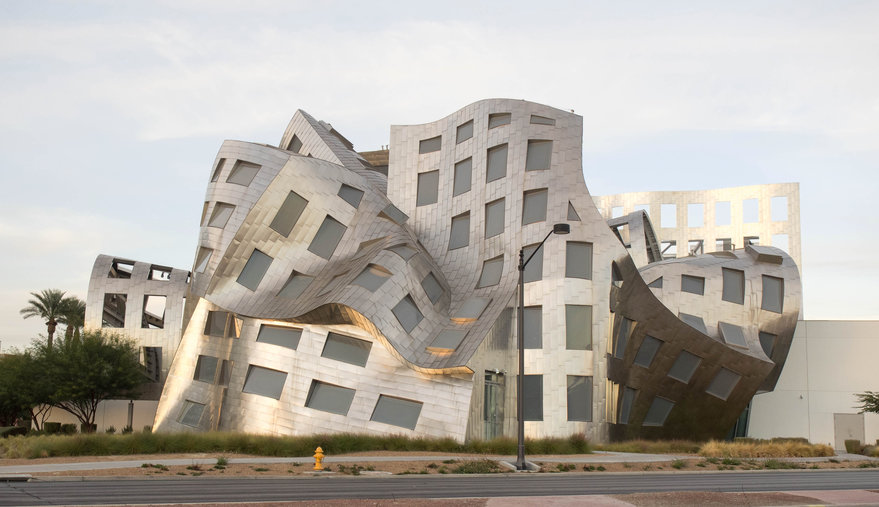 Image: Monster4711, CC BY-SA 3.0
As for industrial design, it's one thing to design a neat-looking, difficult-to-use hair dryer. But in the automotive space, adding novel features purely for cool factor can have deadly consequences. I've already written about two instances (here and here) in which needlessly new designs for shifters may have led to two deaths.
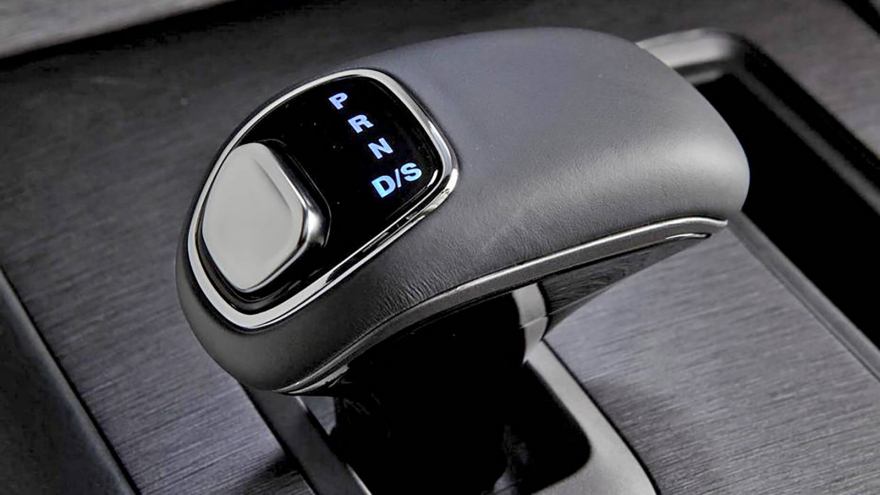
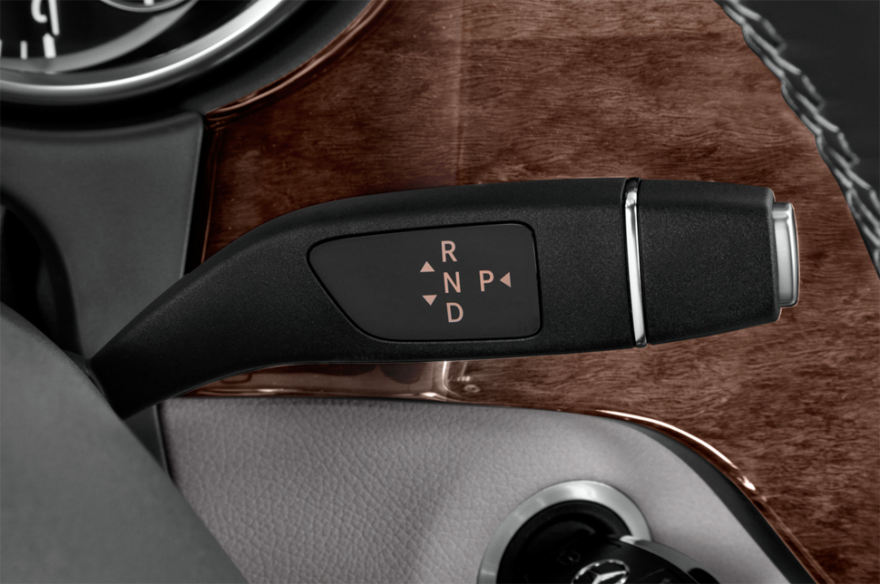
This week China has banned flush, electronically-operated door handles. First popularized by Tesla with their 2012 Model S, and subsequently copied by a number of manufacturers including Chinese ones, the handles can lose power in the event of an accident or battery failure.
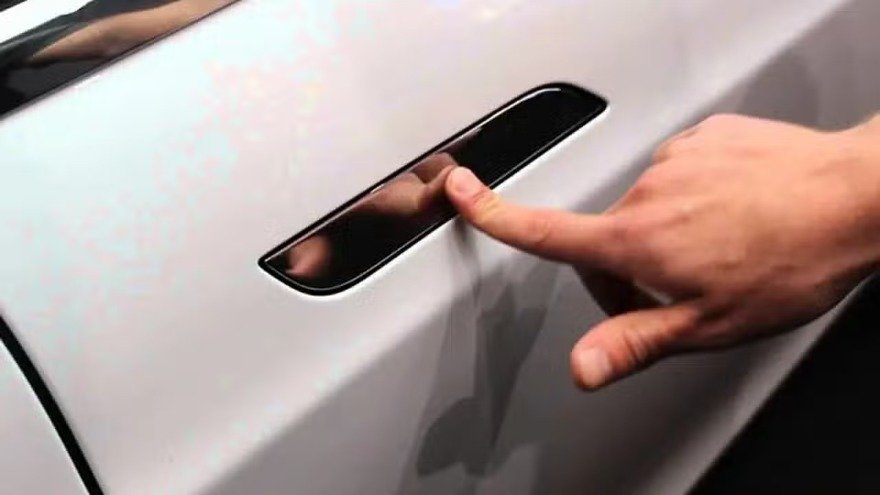
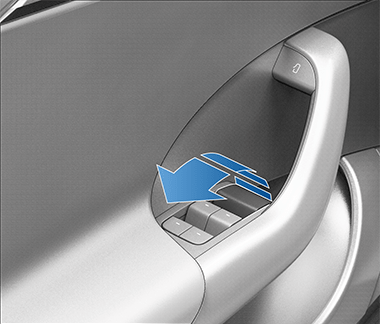
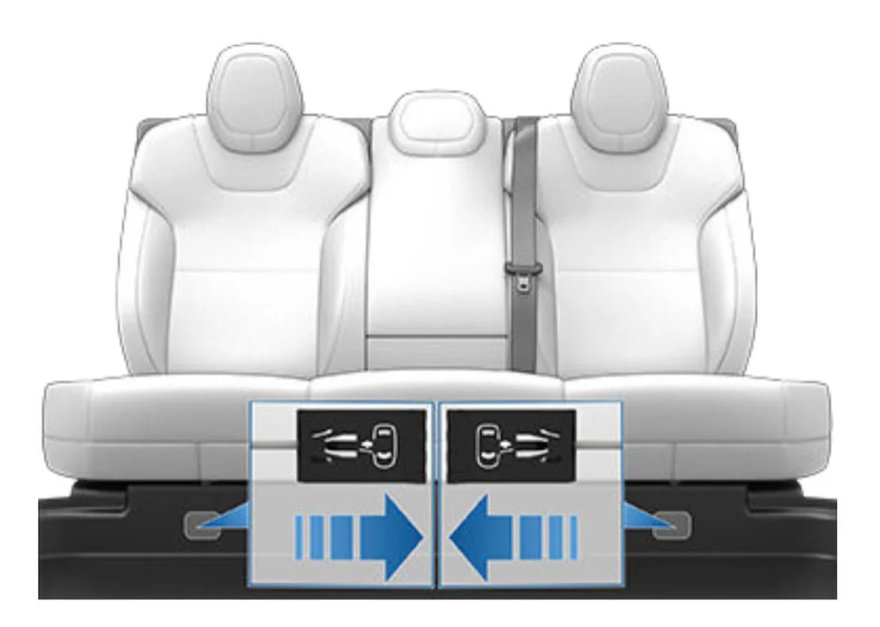
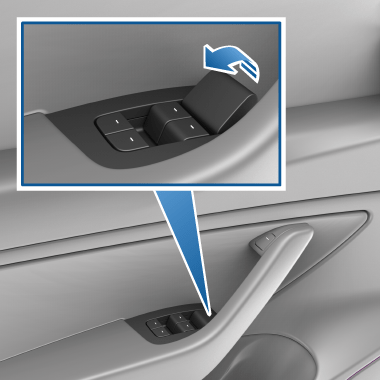
While Tesla does provide mechanical overrides on the inside of the vehicle, their locations are unintuitive and concealed, prizing aesthetics over function. Look at their locations:
Model S, front seats
Model S, rear seats
Model Y, front seats
Model Y, rear seats
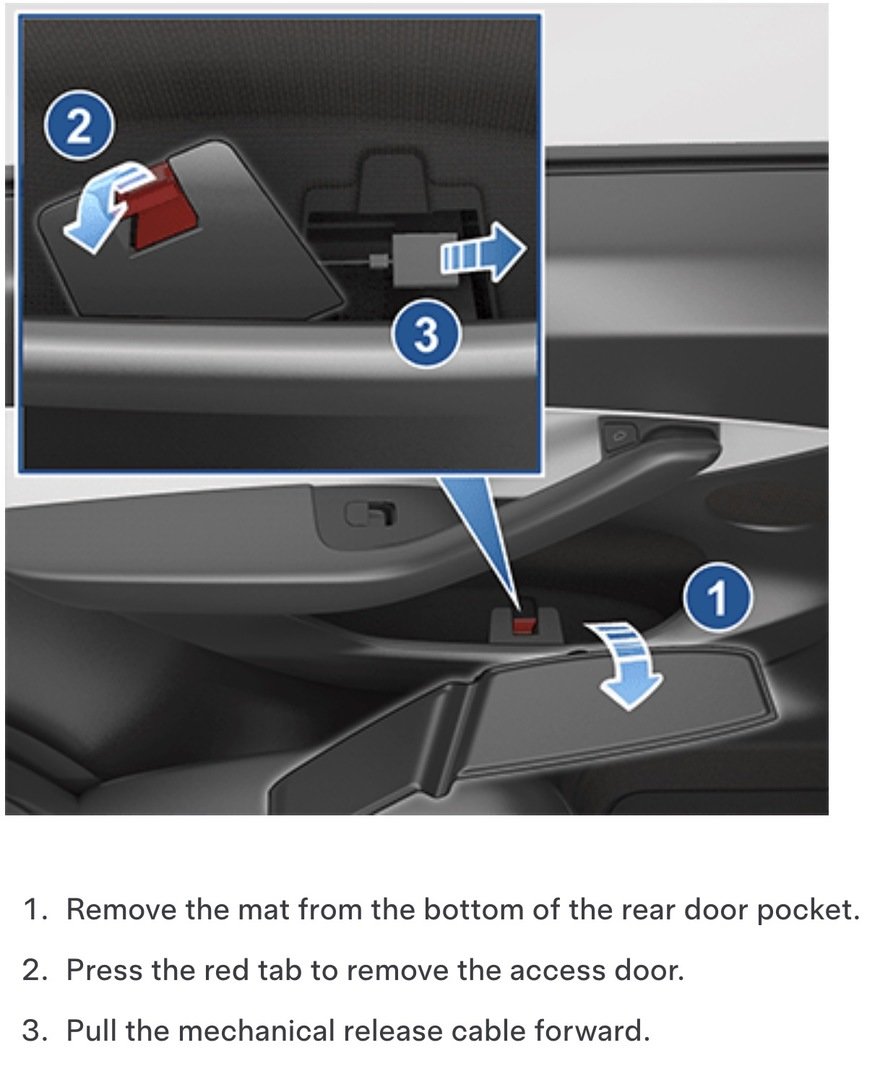
The burden is on the vehicle's occupants to learn where these are. In the event of a crash, where you may be concussed, could you execute the three-step sequence for the Model Y's rear seats?
Worse, there is no mechanical override on the outside of the vehicle. This means, in the event the vehicle's occupants are rendered unconscious in a crash that has cut power, the exterior handles cannot be opened. While first responders should have equipment to break the glass and pull the occupants out, bystanders, who may be on scene quicker, will have no such equipment nor training.
China passed the new law following a series of highly-covered, grisly fatalities involving the Xiaomi SU7. Last year, in two different crashes the cars burst into flames. Power was cut to the doors, and neither the occupants nor bystanders were able to open them. A man and three female university students burned to death inside of the vehicles before first responders could free them.
The U.S., too, has suffered such incidents. Following a Cybertruck crash in California, three teenagers were unable to locate the hidden manual door releases, and burned to death inside of the vehicle.
Cybertruck, front seats
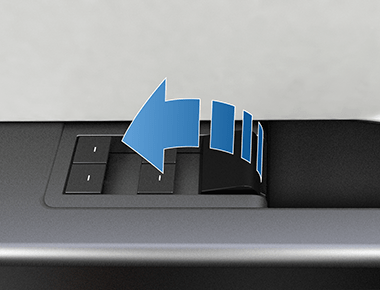
Cybertruck, rear seats
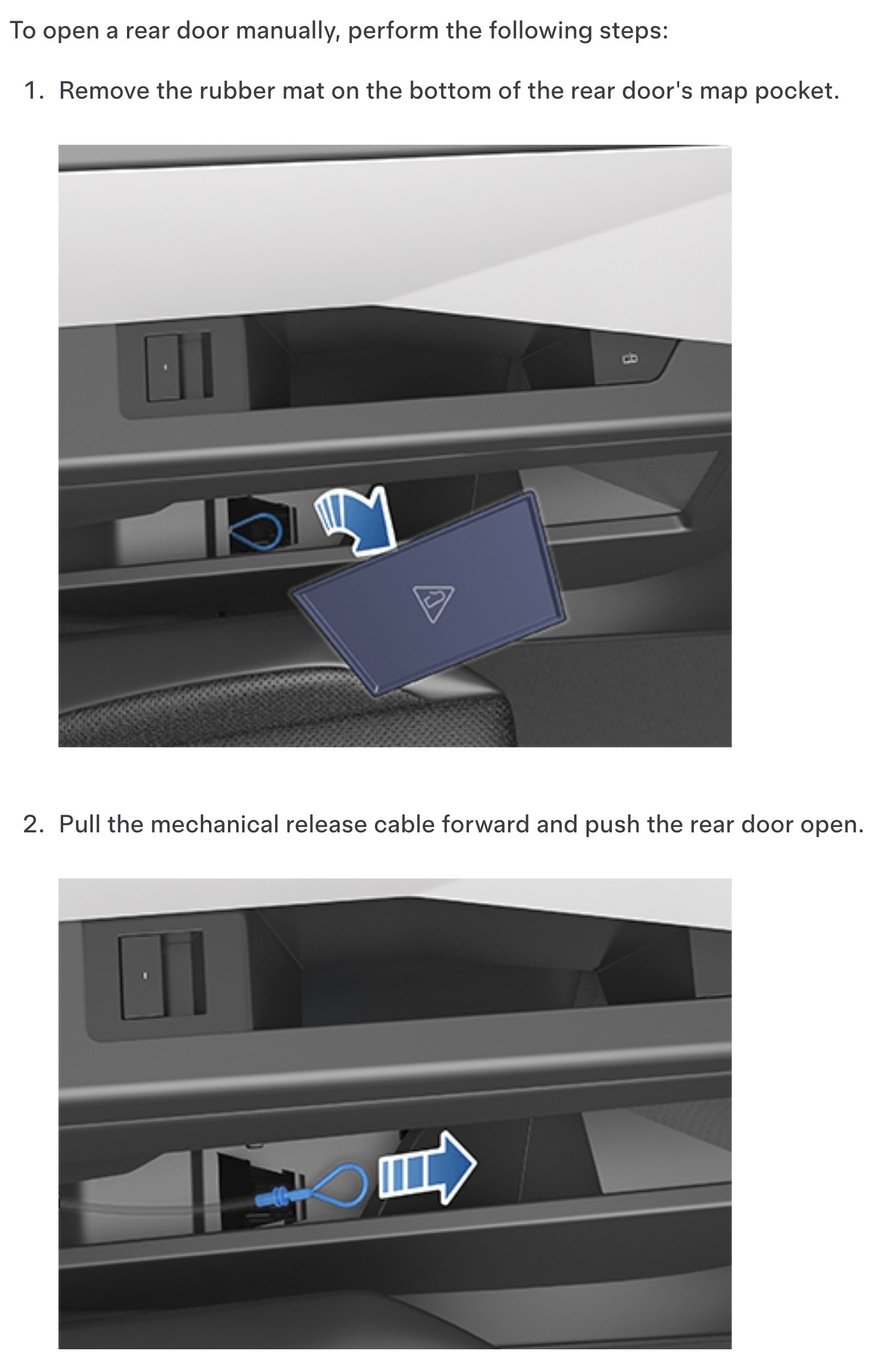
And in Texas, Angela Chao accidentally backed her Tesla Model X into a pond (reportedly confused by the shifter design; she'd made the 'reverse' error before). Unable to locate the mechanical overrides, she called friends for help. When first responders arrived, they were unable to open the doors, and could not break through the Model X's reinforced laminated glass, despite trying for an hour. Chao drowned to death inside the vehicle.
Ironically, Chao was the sister of Elaine Chao, the former U.S. Secretary of Transportation.
China's new law specifies that all car door handles must have a grippable open space of 60mm (2.36") W x 20mm (0.79") H x 25mm (0.98") D and be operable even without electric power. Interior manual releases can no longer be hidden under carpets or panels; they must be clearly visible, labeled with permanent signage, and located within 300mm (11.81") of the door edge. Manufacturers have until January 1st, 2027 to comply.
-
o6Favorite This
-
Q9Comment
Directory Company Profiles

Core77
Industrial Design
Resources
Industrial Design
Resources
-
Core77 Directory
Find the Best Industrial Design CompaniesGo -
Hatch Duo, LLC
Founded by an award-winning team with over 20 years of combined product design experience, Hatch Duo...
-
ECCO Design
ECCO Design is a full service product design and innovation firm. We are a team of designers, resear...
-
andesignlab
ANDESIGN is an industrial design consultancy based in Orange County California and Austin Texas. AN...
-
DesignStein Studios, LLC
We are a team of industrial designers focused on developing products that are intended for tooling a...
-
Bluemap Design
BlueMap design is a multi-disciplinary product development firm. Founded by Simon Yan in 2001, the f...
-
Fahrenheit Design
Fahrenheit is an award-winning product design and innovation firm based in Austin, Texas. Since 2002...
-
RMT PRODUCTS LIMITED.
RMT PRODUCTS CO. , LTD. provide on-time delivery, high-quality prototyping and manufacturing . It i...
K
{Welcome
Create a Core77 Account
Already have an account? Sign In
By creating a Core77 account you confirm that you accept the Terms of Use
K
Reset Password
Please enter your email and we will send an email to reset your password.
Comments
I think you are all being too harsh.
Anybody with a Tesla who has had an accident and finds their car powerless, can find these instructions in the hard copy owners manual that does not exist as it is now an app on the infotainment center.
That made me laugh.....
I couldn't laugh, I was on fire while I was reading the handbook (which was in an electrically operated glovebox)
I'm proud of every one of these comments.
They may not be the most “designey” but there’s a reason aircraft have placards plastered everywhere; people lose situational awareness. Particularly when distressed.
I wonder if the car makers ever use focus groups with widely-varying participant ages before they inflict these errors on the world.
Looking forward to seeing new Tesla's with this graphic on each door
Both of our non-Tesla EVs have mechanical door handles. Good designers and engineers know they don't need to reinvent the wheel with every component. There is something to be said for intuitive UX that has built up over decades across multiple vehicles from multiple manufacturers. Of course this company also tried to reinvent the wheel literally with the yoke, complete with capacitive turn signal buttons instead of the standard stalk signal indicators that everyone is accustomed to... also bad. 🤷♂️
So is the US going to follow? Seems like a no-brainer.