
e
Toyota's Brilliant Plan to Sell Unfinished Cars
Could this model also be applied to the housing crisis?
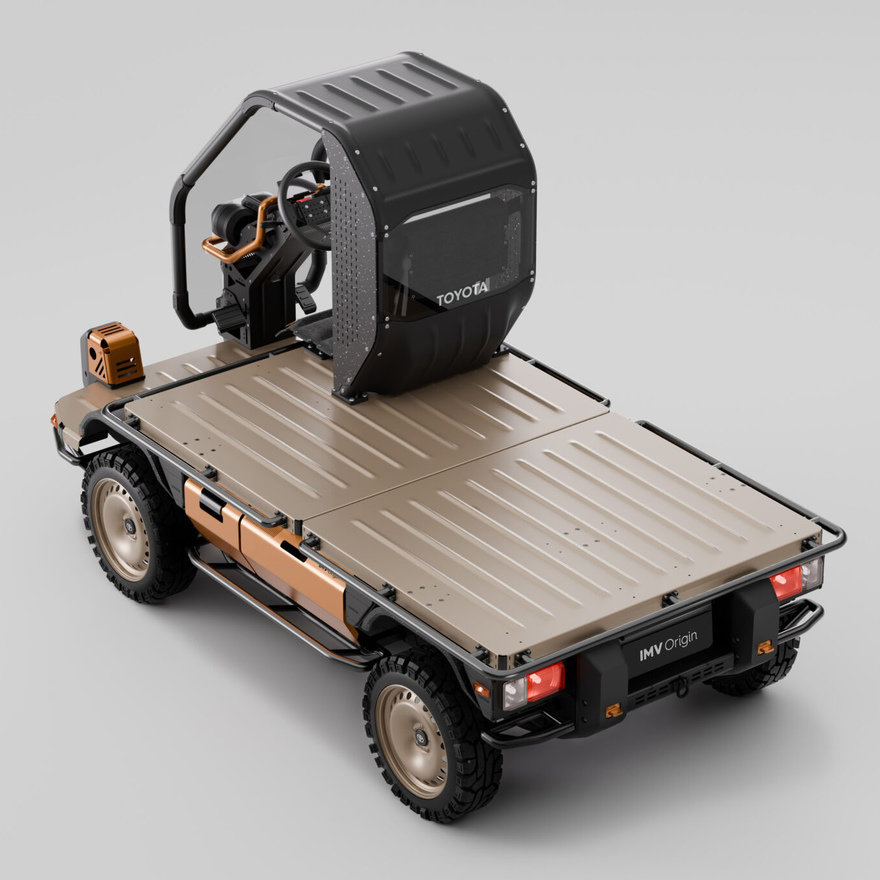
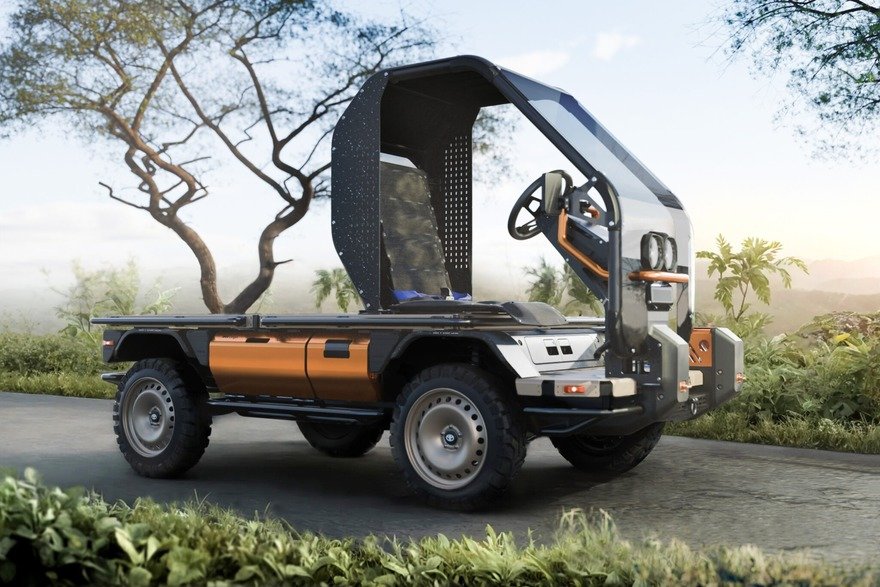
Toyota revealed something crazy-sounding at the 2025 Japan Mobility Show. (The event is currently underway, so no official press pack loaded with images has yet been released—images are sparing.) Revealed at an on-stage event, this is their IMV Origin. And yes, this is what it would look like in production:
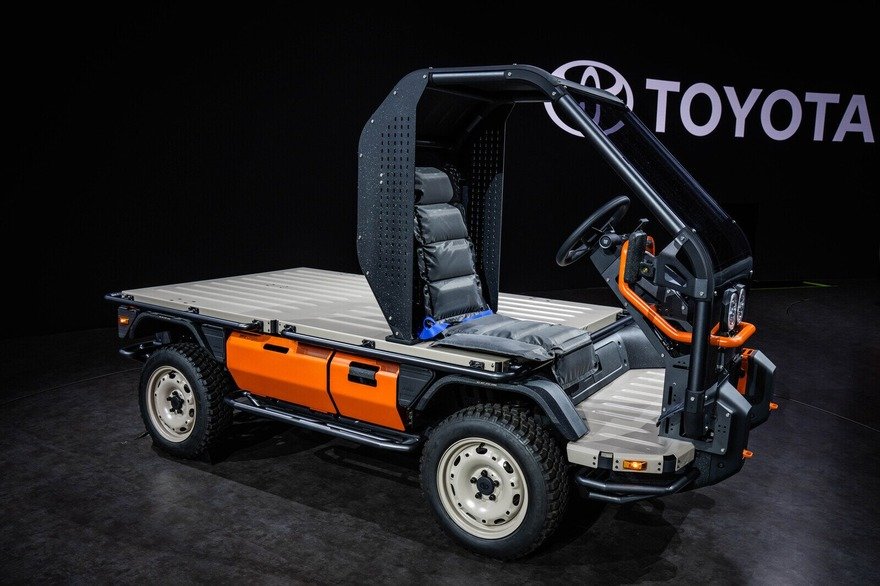
The plan is to make the vehicle's parts at a Toyota factory, and ship it in pieces, initially to the African market; "It is not yet assembled into a drivable car," Toyota President Koji Sato explains. "It is the local people who assemble and complete this car."
Why? Because doing it that way creates jobs.
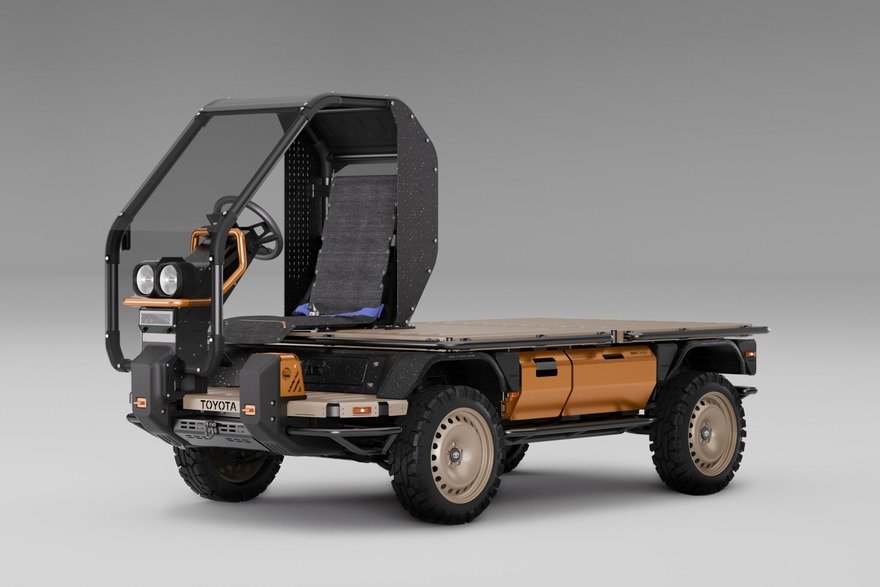
"Even after [local workers] assemble it, it will still be in this state," Sato says, indicating the unfinished vehicle. "We only build the base." This leaves the door open for an entrepreneur to complete the vehicle according to local market needs.
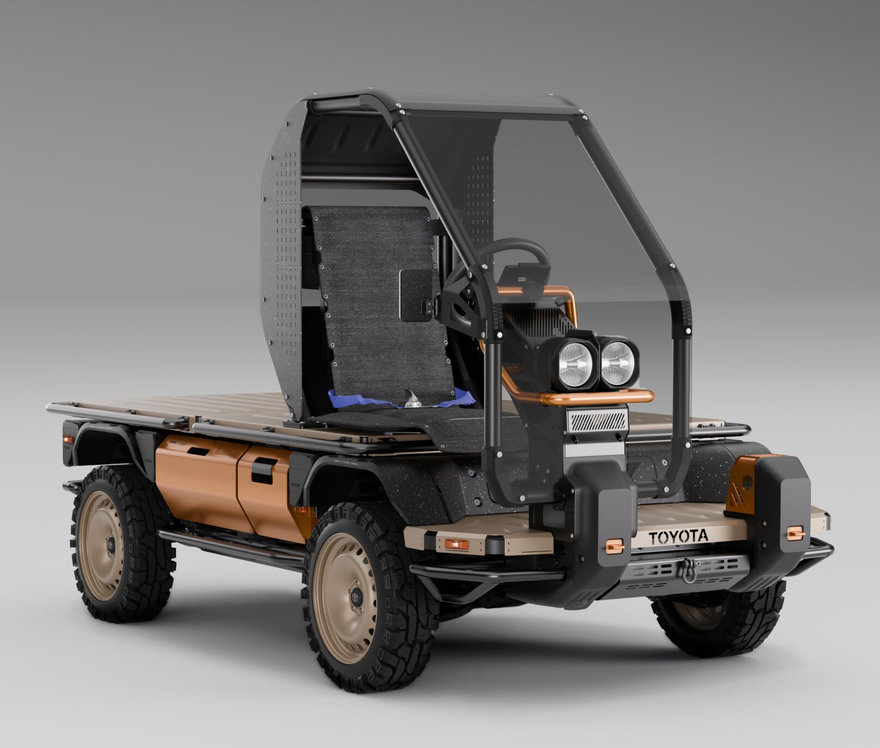
Sato says that "deliberately not completing the entire process" was a challenge for the company. "As a car manufacturer, it was frustrating not to be able to build a finished car, but this is [ultimately beneficial] because people's needs in life and work are diverse. Will this car carry passengers, or cargo? It's up to individual customers to complete the car according to how they will use it."
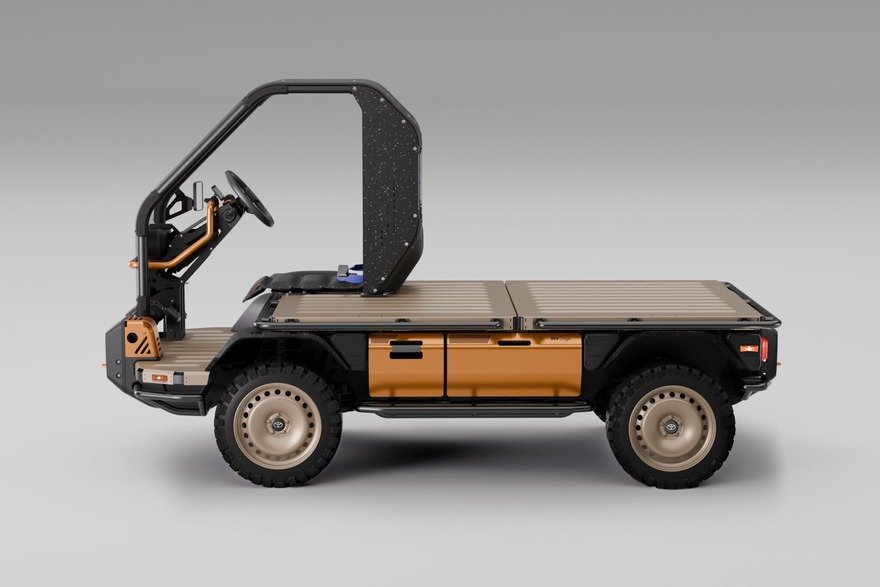

I think it's a brilliant idea that could potentially boost local economies. And I have two further thoughts:
One is that this model would also potentially fly, I believe, in rural America. Out here where I live, it's not uncommon to see hacked-together trucks on the road. These are often older pickups that people buy because they're cheap, and then they customize them for functional purposes. I've seen work-truck Fords and Toyotas with their beds ripped off, replaced by DIY welded or wooden platforms and sidewalls that suit the user's trade; yesterday I saw a Dodge that had a small jib crane hacked into the bed, which was loaded up with commercial air conditioners.
Two, and I'm biased here because of the work I'm currently doing in residential construction, is that I think this model could also be applied to homebuilding. There's currently a housing crisis, and not just in America. As contractors continually migrate towards serving the rich, first-time home buyers can't find affordable starter homes.
About 25% of the cost of a new home is the interior finishes, and of that cost, about 60% to 70% of that is labor costs. I'm not saying that laying in insulation batts, hanging drywall, painting and installing flooring is easy; but it is something that, conceivably, a dedicated DIY'er could learn to do. Maybe not beautifully, but perhaps well enough to create a functional home that they could improve over time.
In other words, if a construction company could put up a code-compliant, functional shell of a house with all of the trades-requiring mechanicals put in, a first-time buyer could conceivably complete the interior at their own pace and over time. In theory they could buy a $250,000 house for around $206,000 if they were willing to learn and do the interior finish work themselves. I think that could make a big difference for a lot of families.
-
o3Favorite This
-
Q6Comment
Directory Company Profiles

Core77
Industrial Design
Resources
Industrial Design
Resources
-
Core77 Directory
Find the Best Industrial Design CompaniesGo -
Hatch Duo, LLC
Founded by an award-winning team with over 20 years of combined product design experience, Hatch Duo...
-
ECCO Design
ECCO Design is a full service product design and innovation firm. We are a team of designers, resear...
-
andesignlab
ANDESIGN is an industrial design consultancy based in Orange County California and Austin Texas. AN...
-
DesignStein Studios, LLC
We are a team of industrial designers focused on developing products that are intended for tooling a...
-
Bluemap Design
BlueMap design is a multi-disciplinary product development firm. Founded by Simon Yan in 2001, the f...
-
Fahrenheit Design
Fahrenheit is an award-winning product design and innovation firm based in Austin, Texas. Since 2002...
-
RMT PRODUCTS LIMITED.
RMT PRODUCTS CO. , LTD. provide on-time delivery, high-quality prototyping and manufacturing . It i...
K
{Welcome
Create a Core77 Account
Already have an account? Sign In
By creating a Core77 account you confirm that you accept the Terms of Use
K
Reset Password
Please enter your email and we will send an email to reset your password.
Comments
We are in line & betting ($50) on a Slate truck here in the US. We are squarely in the minimalist, no frills camp. Simplicity is future-proofing & repairability. We're sick of the $800 headlight bulb.
Wait! Is this a rebrand of OX Delivers? From Core77 December 2024?
Regardless of who had the idea first, I think the key would be how open source the technology and control software is. Not much good if all parts and support remains locked in. Who needs another John Deere or Apple
The IKEA flat pack of trucks.
I'm willing to bet a great many of these would end up looking much like that last picture. Rails on the bed and little else in modifications. Not a bad thing as little else is needed for the purpose.
Cities with unaffordable housing have little to do with cost of homes vs the cost of the land the home sits on.
Never ended DIY home interior.