
e
Touch Sensitive Earbuds Suck, but Loop's Earplugs Have a Physical Dial Interface
If only they were earbuds
I have two different pairs of noise-canceling earbuds: The Bose QuietComfort 3 and Sony's WF-1000MX4. The Boses are good enough to drown out vacuuming, but when using a chainsaw or a lawnmower, the less-comfortable Sonys are required.
They both have the same annoying trait; when they inevitably start to fall out, and you press against them to secure the fit, it activates the touch-sensitive mode switches--a feature that cannot be disabled. Suddenly you're subjected to the ear-splitting noise you were trying to drown out. Worse, the Sonys have a tendency to get stuck in that open mode, and your frantic tapping has no effect.
In short, touch control for earbuds sucks.
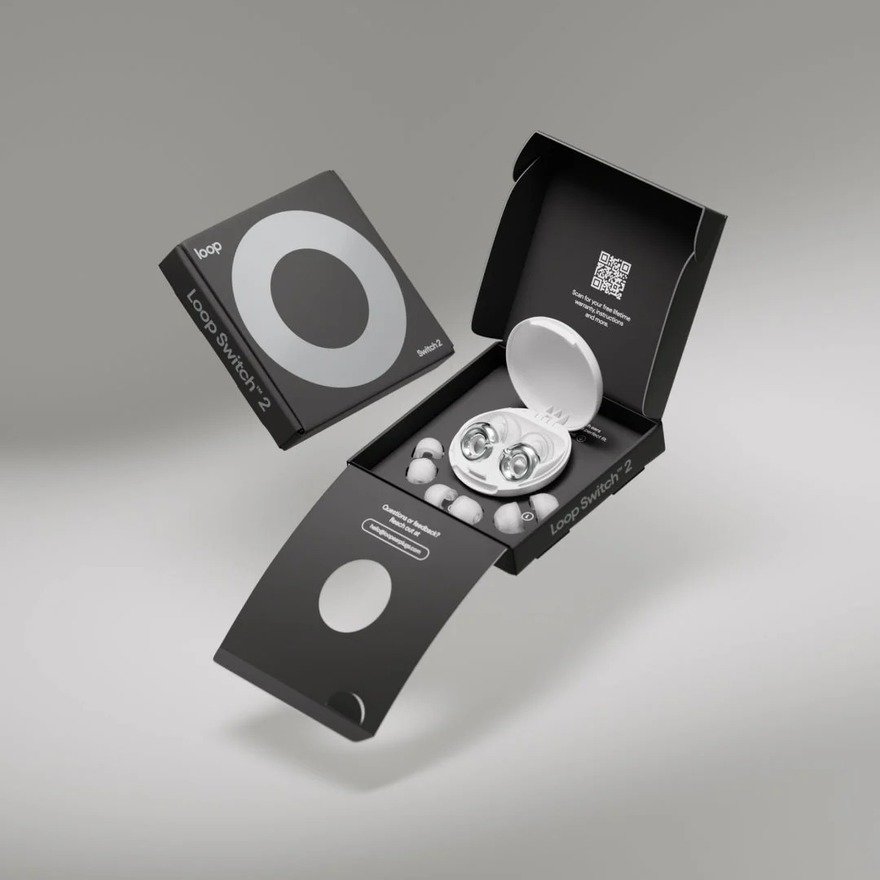
So here's an interesting product from Loop, a Belgian manufacturer of earplugs.
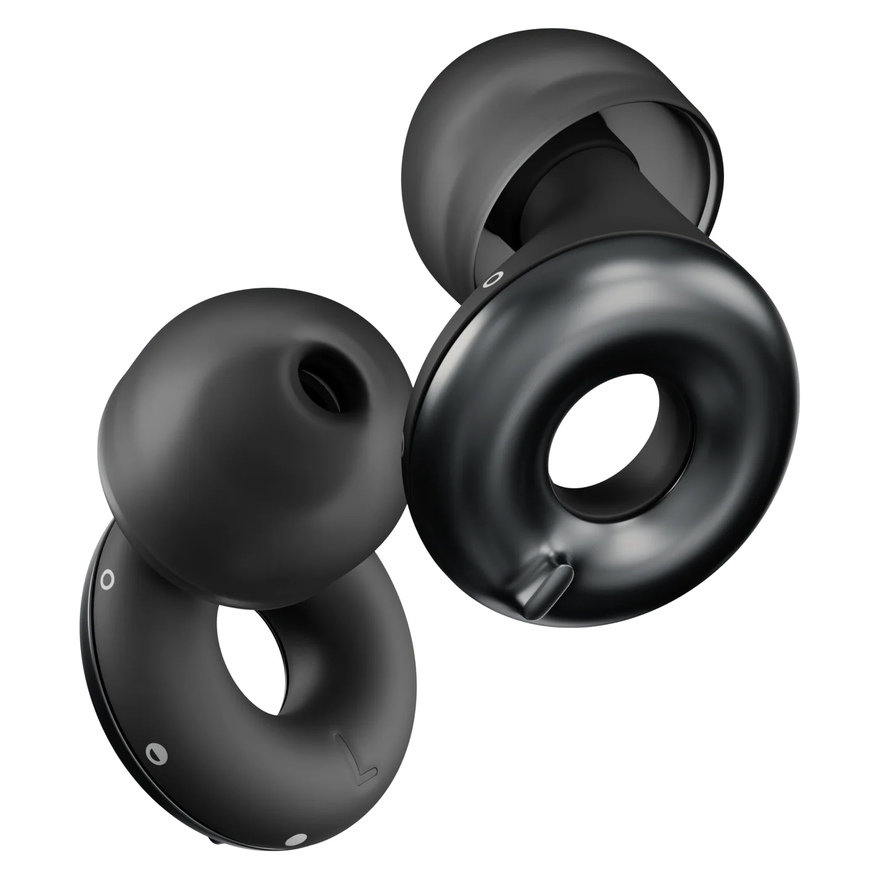
To be clear, these are not earbuds, and only offer sound protection. But their Switch 2 product lets you dial in, literally, the amount of ear protection you'd like. A rotating mechanical dial lets you switch between "Engage," "Experience" and "Quiet;" those settings cut 20, 23 and 26 decibels, respectively.
I do wonder if the silicone ear tips are enough to hold them in place securely while you work the dial, or if they must be removed and set.
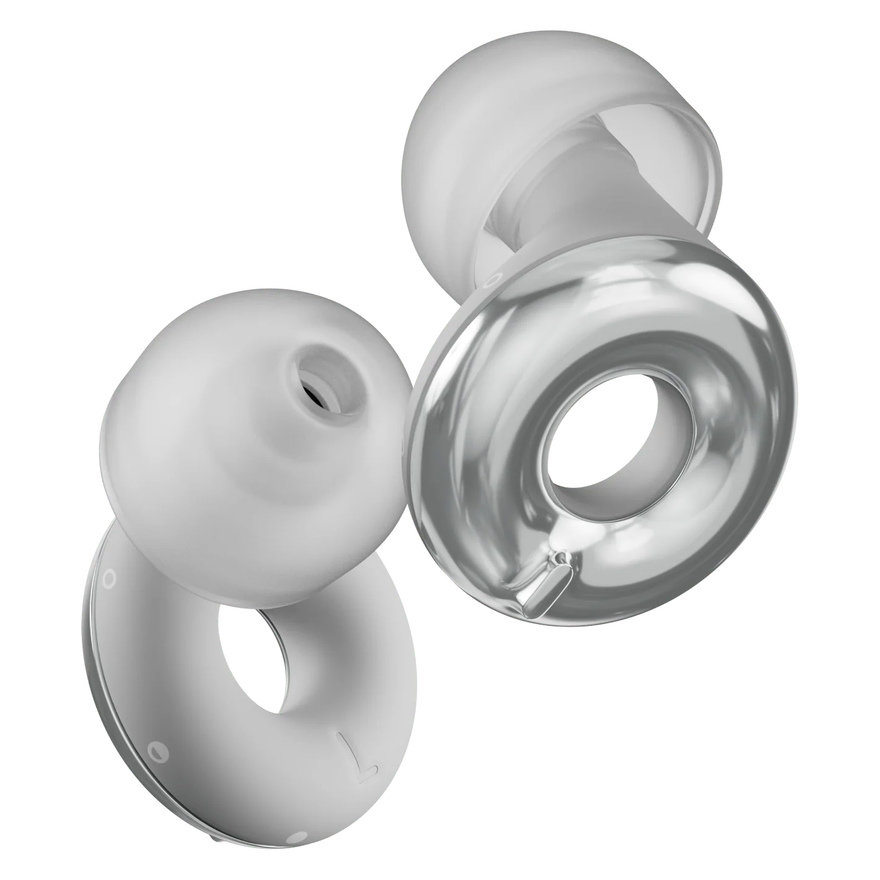
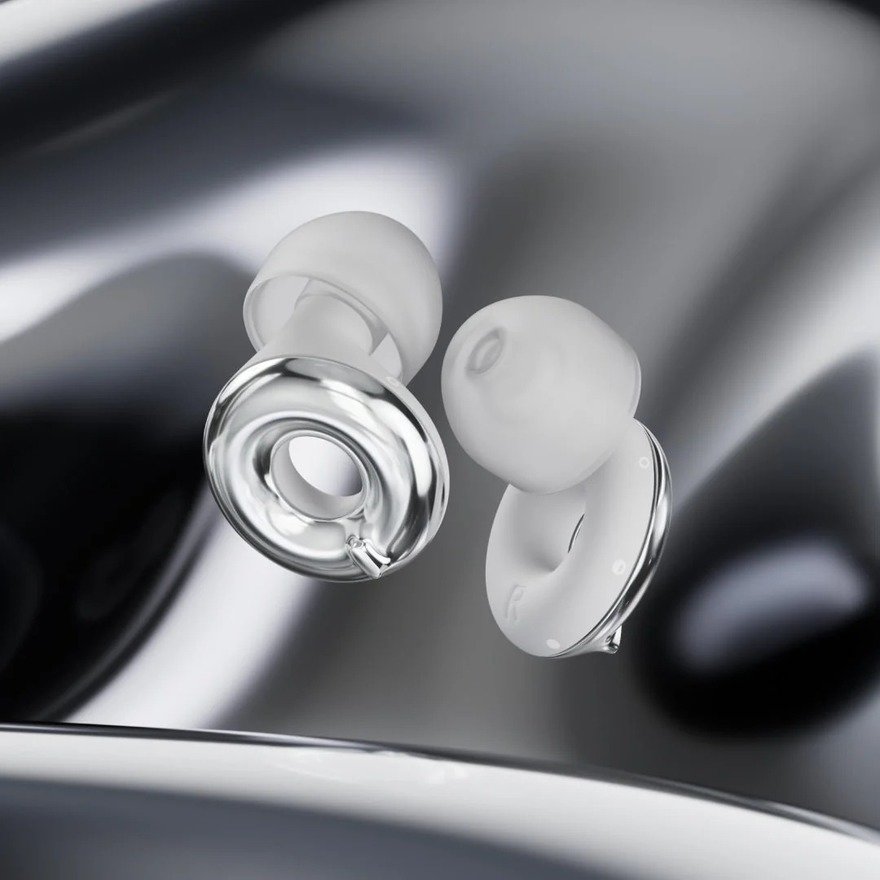

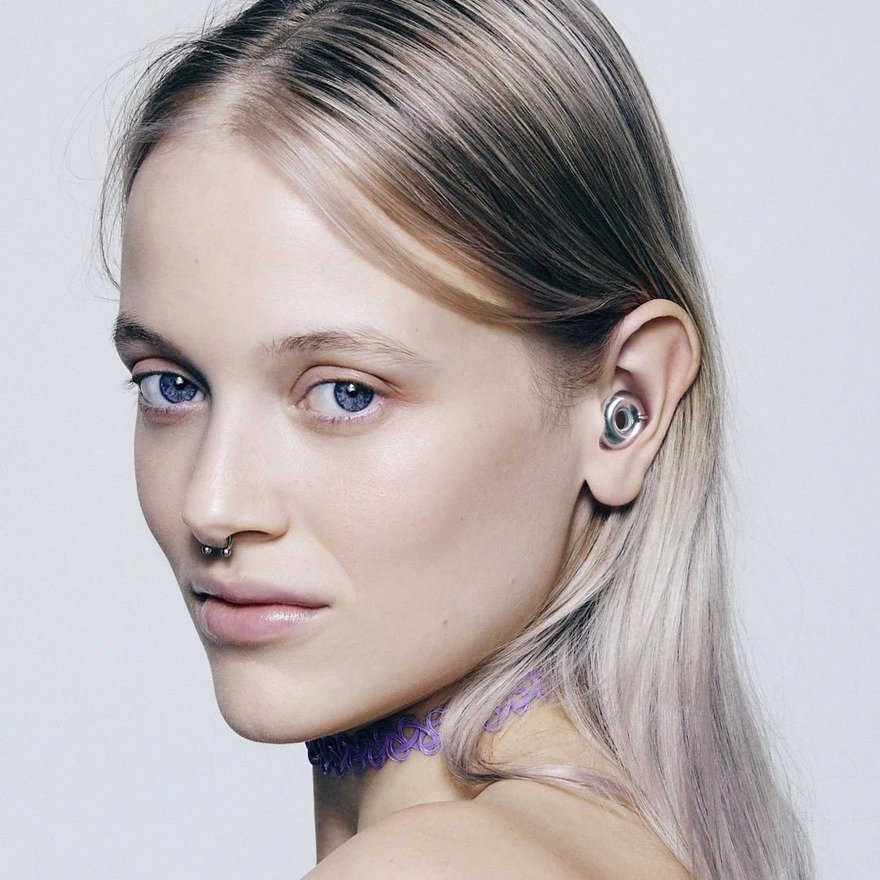
The Switch 2 runs $60.
In any case, absent a physical dial, I do wish earplug manufacturers would at least allow you to disable touch sensitivity. If you actually enjoy that feature and find it defensible, let us know in the comments.
-
o1Favorite This
-
Q2Comment
Directory Company Profiles

Core77
Industrial Design
Resources
Industrial Design
Resources
-
Core77 Directory
Find the Best Industrial Design CompaniesGo -
Hatch Duo, LLC
Founded by an award-winning team with over 20 years of combined product design experience, Hatch Duo...
-
ECCO Design
ECCO Design is a full service product design and innovation firm. We are a team of designers, resear...
-
andesignlab
ANDESIGN is an industrial design consultancy based in Orange County California and Austin Texas. AN...
-
DesignStein Studios, LLC
We are a team of industrial designers focused on developing products that are intended for tooling a...
-
Bluemap Design
BlueMap design is a multi-disciplinary product development firm. Founded by Simon Yan in 2001, the f...
-
Fahrenheit Design
Fahrenheit is an award-winning product design and innovation firm based in Austin, Texas. Since 2002...
-
RMT PRODUCTS LIMITED.
RMT PRODUCTS CO. , LTD. provide on-time delivery, high-quality prototyping and manufacturing . It i...
K
{Welcome
Create a Core77 Account
Already have an account? Sign In
By creating a Core77 account you confirm that you accept the Terms of Use
K
Reset Password
Please enter your email and we will send an email to reset your password.
Comments
Apples products aside, if you have to fiddle with your earbuds to make them fit, you're wearing the wrong size. Try a larger or smaller silicone tip. Once they're in there they should be fast, no matter what vibration-inducing work you're doing
The touch sensitivity on Apple's various generations of AirPods Pro have, in many years of extensive use, never once generated a conflict with physical action on the earbuds for me. This is straight-up intentional design that separates the areas and modes of touch (physical manipulation or capacitive interaction) completely so that there's no unintended overlap like you describe. For example, the central "hub" where you'd press to secure fit is not touch sensitive at all. The stem is touch sensitive, but either requires a very deliberate squeeze or else a touch gesture (swipe up or down) that doesn't get mistaken for the physical "grab stem to remove" hand gesture. The touch sensitive area on the stem is both rotated from the physical "grab it" position and distinguished by a passive haptic groove that lets the user know they're on the touch/squeeze sensitive area purely by feel. Touching this groove alone does nothing, so orienting to the device is always "safe" from an interaction point of view.