
e
Peugeot's "Hypersquare" Steering Wheel Prioritizes Novelty over UX
This is bad design
Is it a problem that steering wheels are circular? Peugeot's designers, like Tesla's, seem to think so. The French marque's Polygon concept features a new "Hypersquare" steering wheel, which they refer to as a "new ergonomic approach."
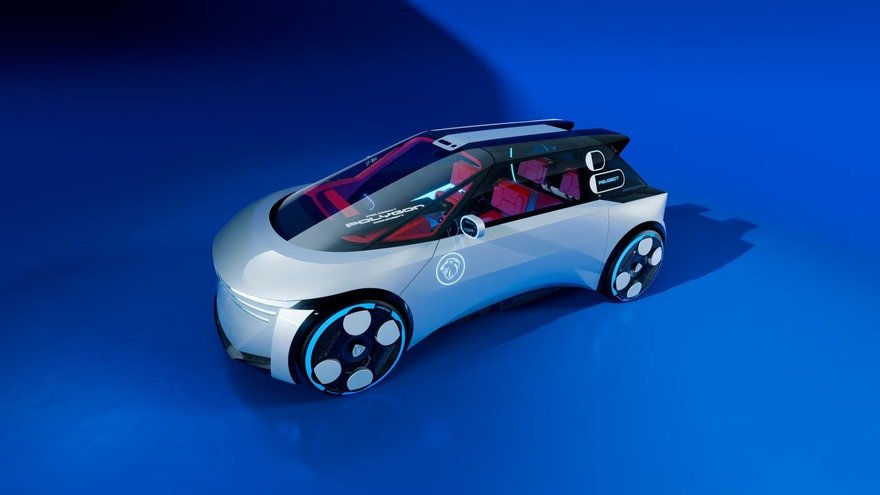
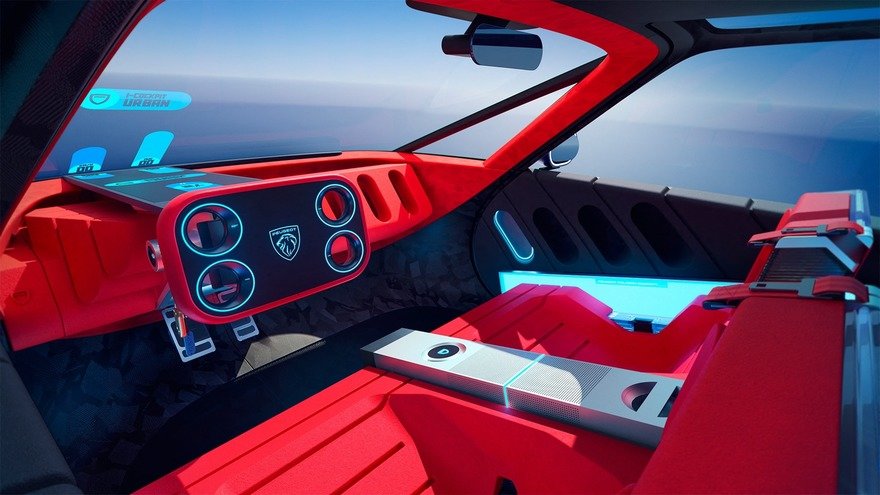
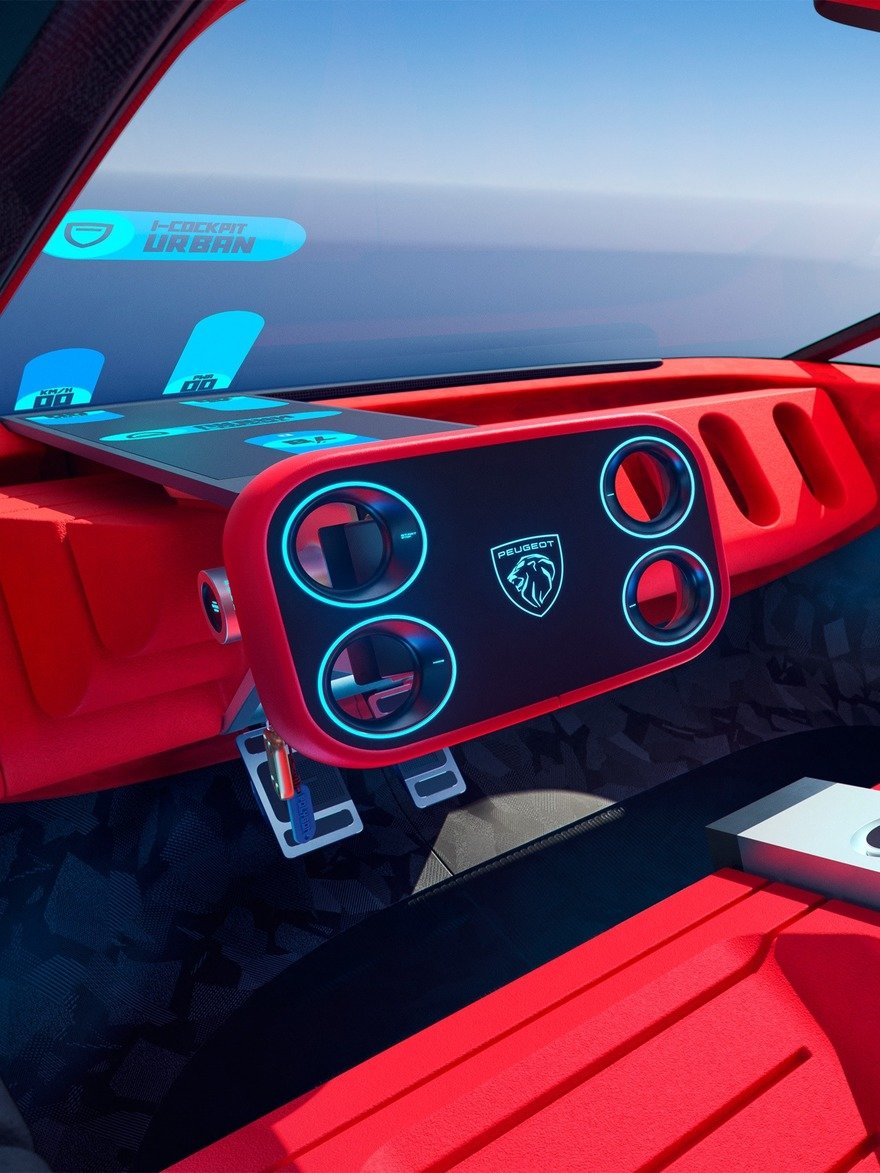
The company says that by modulating the ratio between the speed the car is traveling and how far the wheels turn, the new interface offers "effortless handling in every situation." The idea is that at high speeds, the ratio is normal, i.e. only small movements are required to say, change highway lanes. But at slow speeds, each degree you turn the wheel—or whatever the hell we have to call it now—turns the wheels much further. The maximum rotation in these low-speed situations is 170°. Theoretically, this means the driver can perform three-point turns without any hand-over-hand motions.
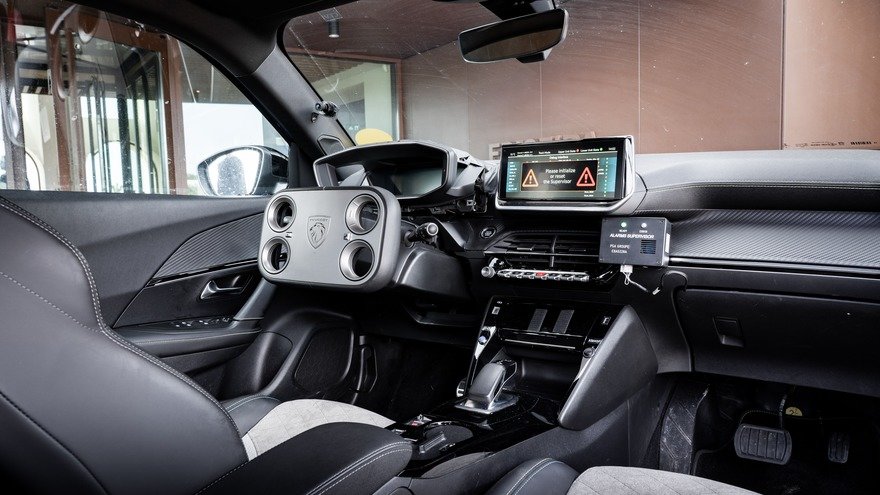
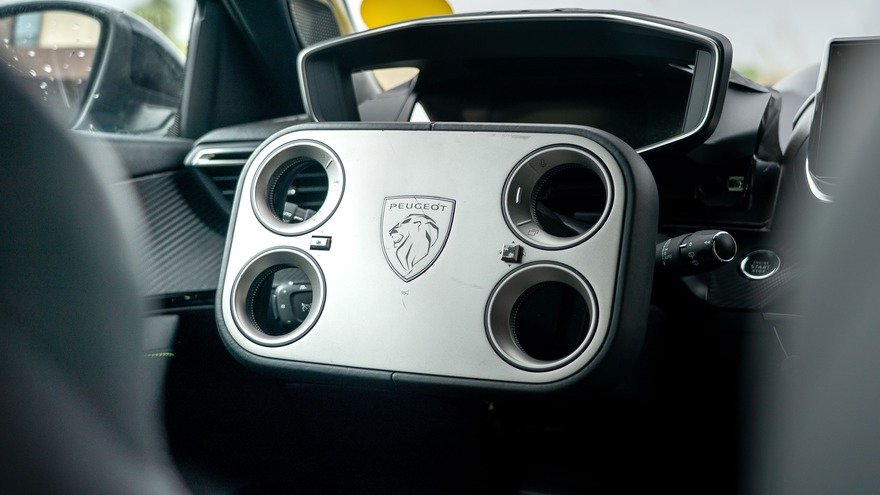
This approach is possible because they'd be using steer-by-wire technology, where mechanical parts are replaced with electronic components; the steering ratio is determined by software. This arrangement is good for the manufacturer, and bad for the consumer. By replacing the mechanical column, intermediate shafts, hydraulic pumps, and related hardware with sensors and electric motors, the company reduces their production costs—and makes it more expensive for the consumer to have the system repaired, when something inevitably goes wrong. Whereas any competent mechanic can work on a conventional steering problem, making it all-electronic probably means the vehicle will only be repairable at a Peugeot dealership, where prices will be higher.
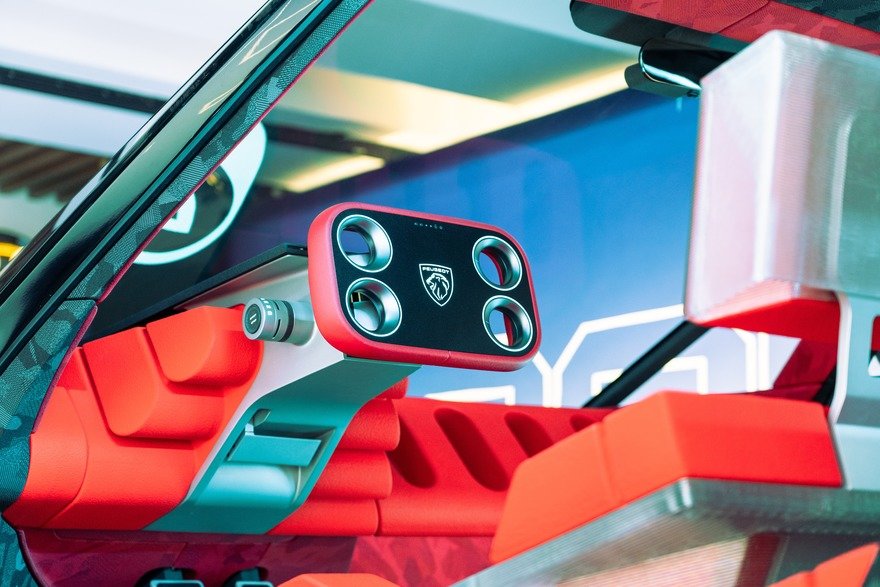
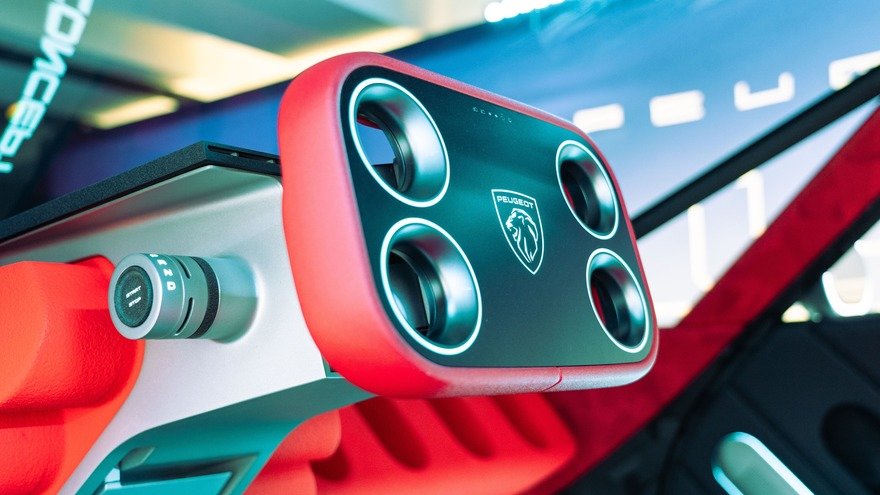
The variable-ratio arrangement also begs the question of what happens at intermediate speeds. Drivers are used to predictable steering ratios, and your body intuitively understands how far to jerk the wheel during an avoidance maneuver. Will muscle memory also be able to factor in how fast your car is traveling, and thus how far to turn the wheel? Your guess is as good as mine.
-
oFavorite This
-
Q7Comment
Directory Company Profiles

Core77
Industrial Design
Resources
Industrial Design
Resources
-
Core77 Directory
Find the Best Industrial Design CompaniesGo -
Hatch Duo, LLC
Founded by an award-winning team with over 20 years of combined product design experience, Hatch Duo...
-
ECCO Design
ECCO Design is a full service product design and innovation firm. We are a team of designers, resear...
-
andesignlab
ANDESIGN is an industrial design consultancy based in Orange County California and Austin Texas. AN...
-
DesignStein Studios, LLC
We are a team of industrial designers focused on developing products that are intended for tooling a...
-
Bluemap Design
BlueMap design is a multi-disciplinary product development firm. Founded by Simon Yan in 2001, the f...
-
Fahrenheit Design
Fahrenheit is an award-winning product design and innovation firm based in Austin, Texas. Since 2002...
-
RMT PRODUCTS LIMITED.
RMT PRODUCTS CO. , LTD. provide on-time delivery, high-quality prototyping and manufacturing . It i...
K
{Welcome
Create a Core77 Account
Already have an account? Sign In
By creating a Core77 account you confirm that you accept the Terms of Use
K
Reset Password
Please enter your email and we will send an email to reset your password.
Comments
Is there a reason why I don't see any image with hands on the "wheel"? Just asking....
Interesting - and telling? - that the red visuals seem so deliberately conceptual and toy-like, almost like what I imagine a gaming car might look like. I wonder: Are they just earlier than the photoreal visuals, or are they aimed at a different segment, to guage feedback separately for various groups?
Is this how they're trying to attract gen-z, who they think probably are more interested in gaming controllers than steering wheels? Nothing wrong about that I guess, but the question is whether this form-factor is really functional and the best answer? Also the ultimate controller for a racing game is quite often a circular steering wheel... so why not just make a really good and cool round steering wheel?
I beg to differ...
The best controllers for racing sims are often modeled after F1 steering wheels.
Off course this is not bad design. Its a concept car, intended to test the water, maybe provoke discussion. And feeling sorry over repairs is an argument in that discussion.
Wonder how many people will lose thumbs because they rest them in the holes and aren't able to pull them out before an accident?
Being a drive by wire setup, the feedback would be limited by the software in the case of an impact.
As for the complexity of such a system... Have your seen all the levers, rods, switches and wires inside of a modern steering column? Most look like a Rube Goldberg nightmare.