
e
Outside-the-Box Thinking: Using Vibrations to De-Ice an Airplane Wing In-Flight
Electric airplanes will require this
If you've ever flown out of an icy region, you've sat inside the plane while the ground crew sprays the exterior with that orange or green fluid. That de-icing solution removes ice and frost from the wings, allowing the plane to safely take off.
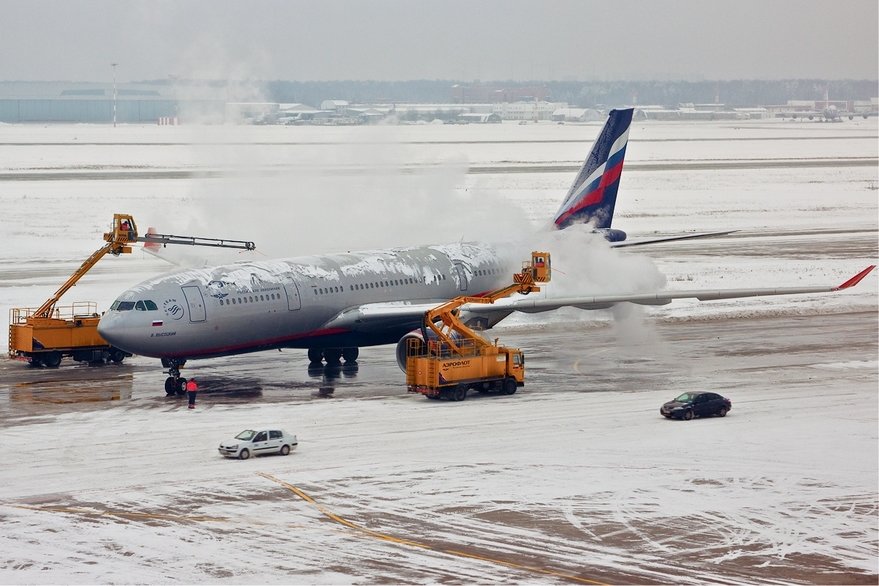
Image: Alex Pereslavtsev, GFDL 1.2

But what happens once the plane is in the air? The wings can continue to collect moisture, particularly as it flies through clouds in sub-freezing temperatures. As ice builds up on the wing, it disrupts the airflow over it, reducing lift and increasing drag. Obviously this is not good.
Thus airplane design teams have devised in-flight anti-icing measures. Just as your car uses the engine's heat to warm the cabin, airplanes use the high temperatures generated by the aircraft's engine to rout hot air across the leading edges of the wings.
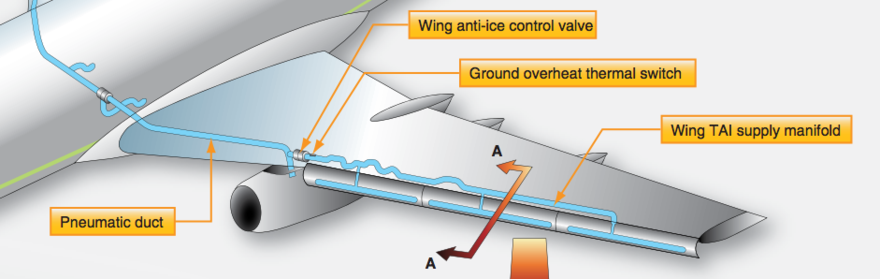
Problem solved—as long as the airplane is powered by heat-generating turbine engines. But the future of flight is moving towards alternative propulsion systems, like electric, hybrid-electric and even hydrogen. These systems don't generate the amounts of heat required to de-ice a wing in flight.
Thus the Fraunhofer Institutes, a network of European research institutes, are working on a new method. The Fraunhofer Clean Aviation project sees airplane wings embedded with piezoelectric actuators. These actuators each turn a small amount of electricity into low-frequency vibrations. Sensors on the wing tell the actuators how much to vibrate, and then they shake the ice off, similar in concept to a dog ridding itself of water after a bath.
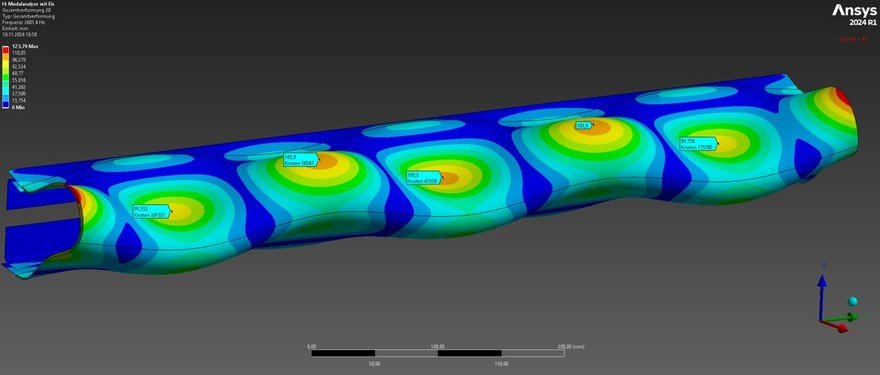
Notably, the actuators use far less electricity than would, say, heating elements embedded in the wing.
The researchers have proven this method in testing, though not yet in real-world conditions.
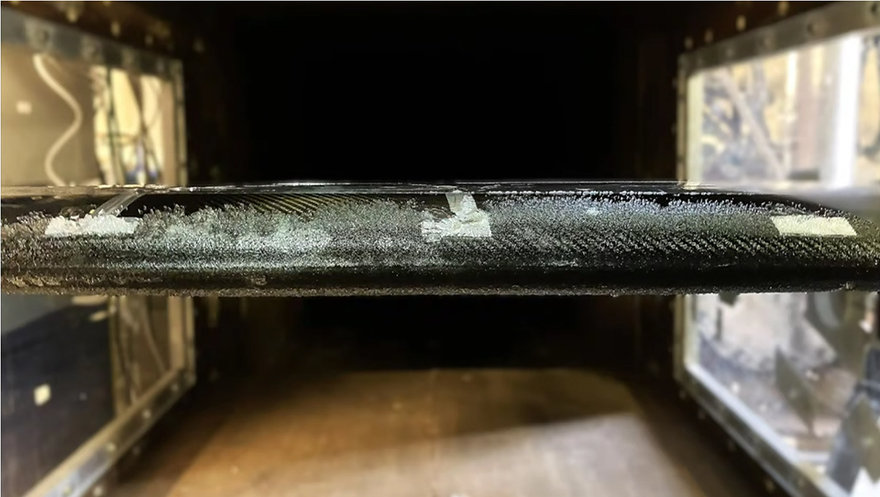
"Our experiments in the icing wind tunnel showed that electromechanical deicing works," says researcher Denis Becker. "As the next step, we will be conducting further tests in the wind tunnel to get the system ready for in-flight testing."
-
oFavorite This
-
Q1Comment
Directory Company Profiles

Core77
Industrial Design
Resources
Industrial Design
Resources
-
Core77 Directory
Find the Best Industrial Design CompaniesGo -
Hatch Duo, LLC
Founded by an award-winning team with over 20 years of combined product design experience, Hatch Duo...
-
ECCO Design
ECCO Design is a full service product design and innovation firm. We are a team of designers, resear...
-
andesignlab
ANDESIGN is an industrial design consultancy based in Orange County California and Austin Texas. AN...
-
DesignStein Studios, LLC
We are a team of industrial designers focused on developing products that are intended for tooling a...
-
Bluemap Design
BlueMap design is a multi-disciplinary product development firm. Founded by Simon Yan in 2001, the f...
-
Fahrenheit Design
Fahrenheit is an award-winning product design and innovation firm based in Austin, Texas. Since 2002...
-
RMT PRODUCTS LIMITED.
RMT PRODUCTS CO. , LTD. provide on-time delivery, high-quality prototyping and manufacturing . It i...
K
{Welcome
Create a Core77 Account
Already have an account? Sign In
By creating a Core77 account you confirm that you accept the Terms of Use
K
Reset Password
Please enter your email and we will send an email to reset your password.
Comments
The Boeing 787 does not use a bleed air system for its wing anti ice system. It uses an electrical pulse system that is much more efficient. Maybe even too efficient. There may be a new regulatory requirement to avoid overheating.