
e

Jacob Turetsky: Artiform Design Founder Joins Core77 Design Awards Jury
The NYC industrial designer and Pratt professor on democratized design, defending against junk, and grounding speculation in reality
Jacob Turetsky grew up surrounded by people who built things with their hands, including carpenters and caterers in New York City. That foundation in making has shaped everything that followed: a career exploring where technology and design meet to demand new forms, and a growing conviction about what designers can do when the barriers to production finally fall away.
"I am very excited for a future of democratized design thanks to 3D printing," says Jacob. "I know this was sort of cliche a few years ago, but with this most recent generation of machines, and the drop in cost of hardware and software, I think the potential is clear and designers are already embracing this."
As Principal Industrial Designer at Artiform Design, the firm he founded in 2022, Jacob helps startups and engineering teams create new devices. It's a practice built on diverse experience: developing medical devices and surgical instruments at Tanaka Kapec Design Group after graduating from Pratt Institute in 2013, designing ergonomic furniture with Humanscale, and working on AON3D's flagship industrial 3D printer in Montreal. He also teaches design sketching, production methods, and design engineering at Pratt, closing the loop between practice and pedagogy.
The Defense Against Junk
But Jacob's optimism about manufacturing's future comes with a sharp awareness of its present problems. "I think it's become too cheap and easy to manufacture and market massive quantities of anonymous junk," he says. "Designers are not always in a decision-making position, but we are usually the best line of defense against bad ones."
It's a perspective that recognizes both the power and responsibility embedded in the profession. "We have this immense power to make people want stuff, or want to do stuff, and we should be using that for positive ends."
Imagination Grounded in Evidence
As jury captain for the Speculative Design category in the 2026 Core77 Design Awards, Jacob will be evaluating work that operates in the space between what is and what could be. His guidance to entrants acknowledges the category's unique demands while emphasizing a crucial anchor point.
"The category is Speculative Design, entries will require some imagination on the part of the audience, but don't forget to emphasize a basis in reality," Jacob advises. "Ground the work in evidence and show how it emerges from the real world."
It's advice that reflects his own practice—work that pushes into new territories while remaining tethered to the constraints and possibilities of actual materials, actual manufacturing processes, and actual human needs. Speculation without grounding becomes fantasy; grounding without speculation becomes incrementalism. The best work, Jacob suggests, lives in the tension between the two.
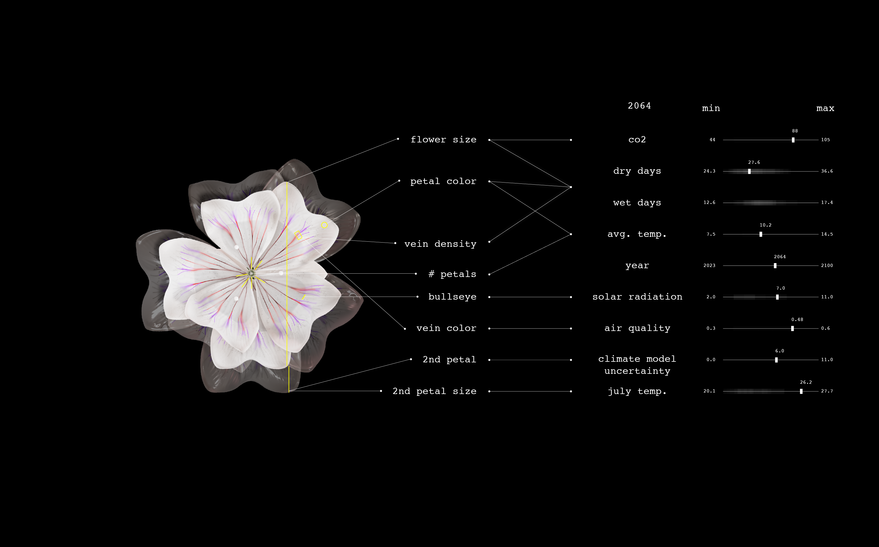
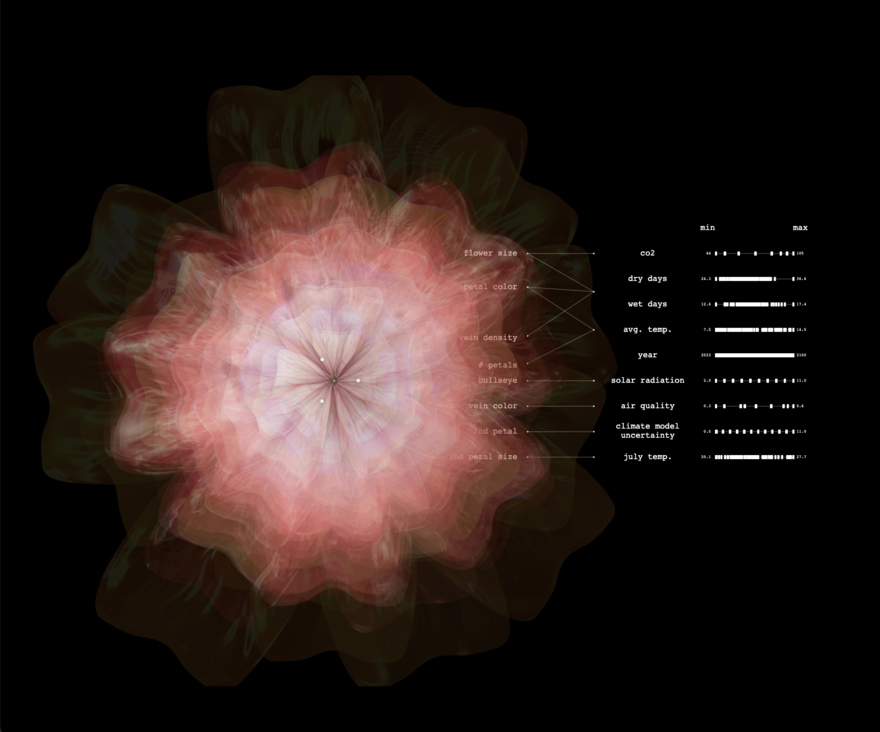
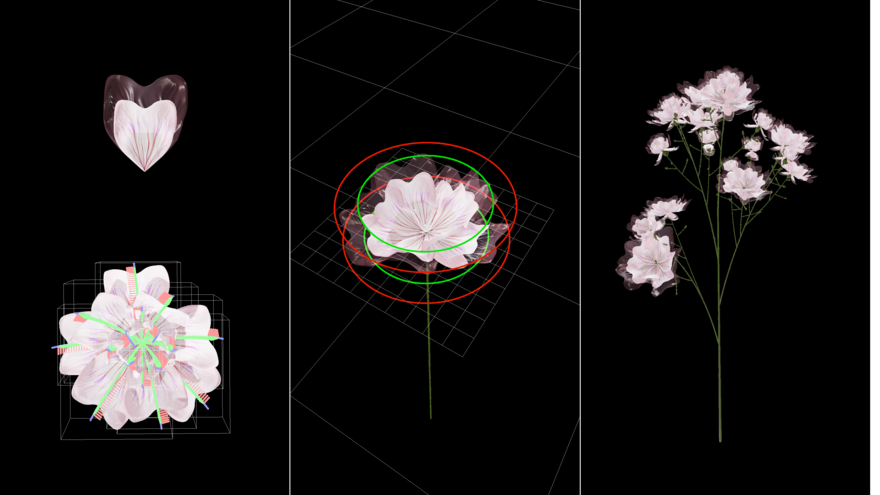
The 2025 Professional winner in the Speculative category was Plant Futures created by Annelie Berner in collaboration with Monika Seyfried and Variable Studio. This project imagines how the Circaea Alpina flower would response to climate change between 2023 through 2100. By rooting these changes in a familiar flower viewers can contemplate the broader implications of climate change.
If you have a forward-thinking idea that could spark a fire with our jurors, share it with us through the 2026 Core77 Design Awards.
Enter the C77DA before February 27 to lock in regular pricing.
-
oFavorite This
-
QComment
Share your thoughts
Directory Company Profiles

Core77
Industrial Design
Resources
Industrial Design
Resources
-
Core77 Directory
Find the Best Industrial Design CompaniesGo -
Hatch Duo, LLC
Founded by an award-winning team with over 20 years of combined product design experience, Hatch Duo...
-
ECCO Design
ECCO Design is a full service product design and innovation firm. We are a team of designers, resear...
-
andesignlab
ANDESIGN is an industrial design consultancy based in Orange County California and Austin Texas. AN...
-
DesignStein Studios, LLC
We are a team of industrial designers focused on developing products that are intended for tooling a...
-
Bluemap Design
BlueMap design is a multi-disciplinary product development firm. Founded by Simon Yan in 2001, the f...
-
Fahrenheit Design
Fahrenheit is an award-winning product design and innovation firm based in Austin, Texas. Since 2002...
-
RMT PRODUCTS LIMITED.
RMT PRODUCTS CO. , LTD. provide on-time delivery, high-quality prototyping and manufacturing . It i...
K
{Welcome
Create a Core77 Account
Already have an account? Sign In
By creating a Core77 account you confirm that you accept the Terms of Use
K
Reset Password
Please enter your email and we will send an email to reset your password.