
e
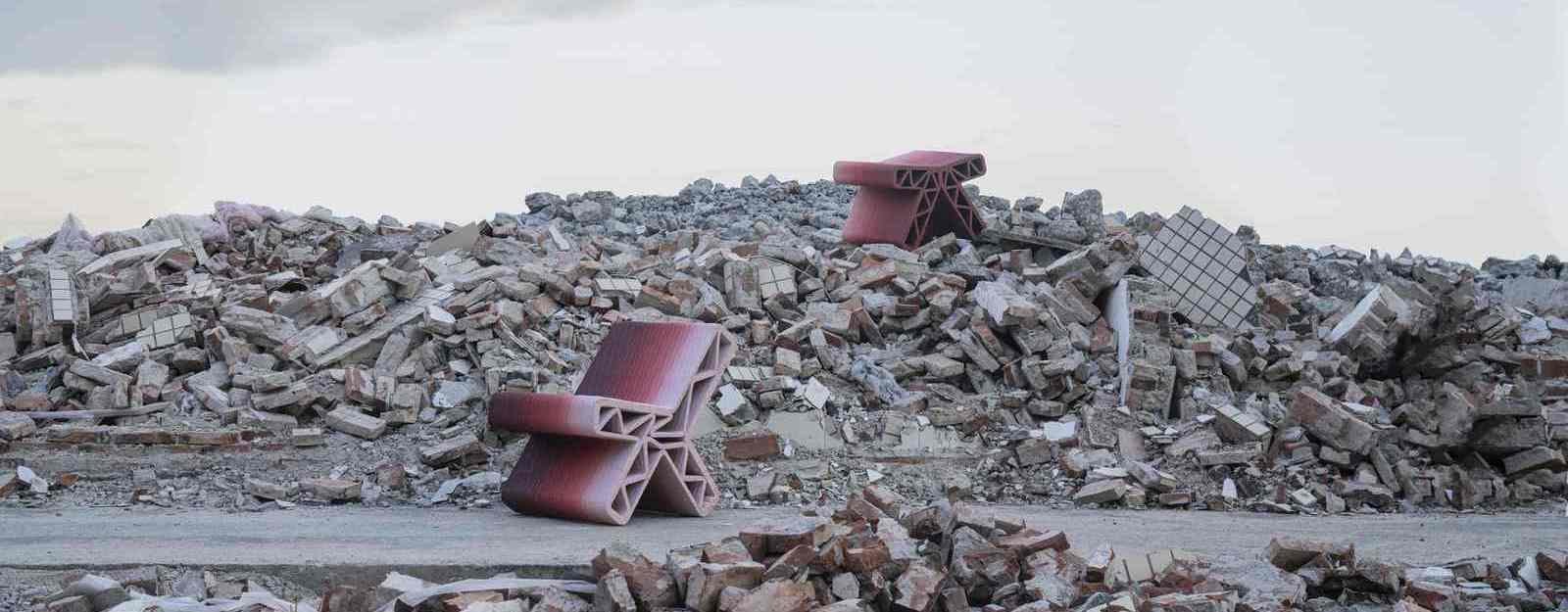
Inorganic Growth - Transforming Urban Village Demolition Debris Into 3D-Printed Urban Furniture
Design Team
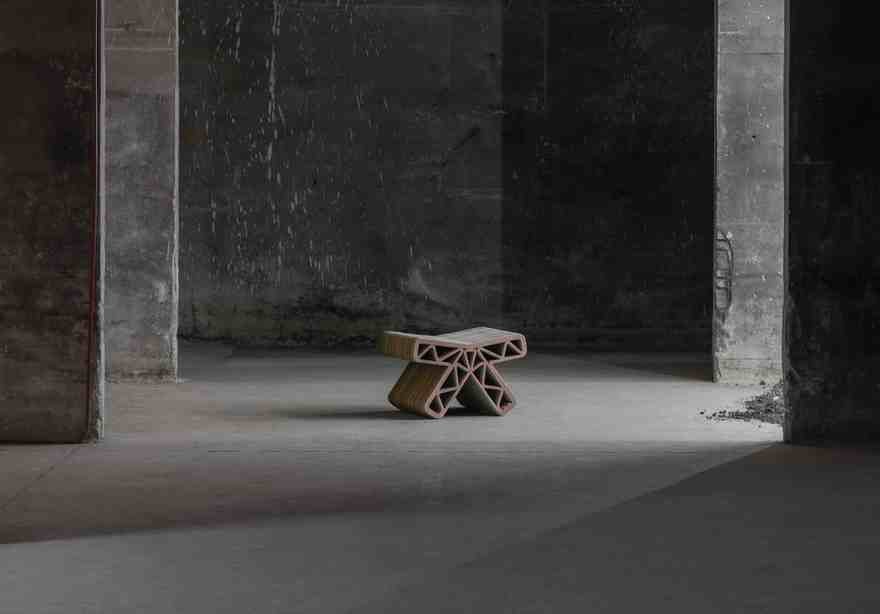
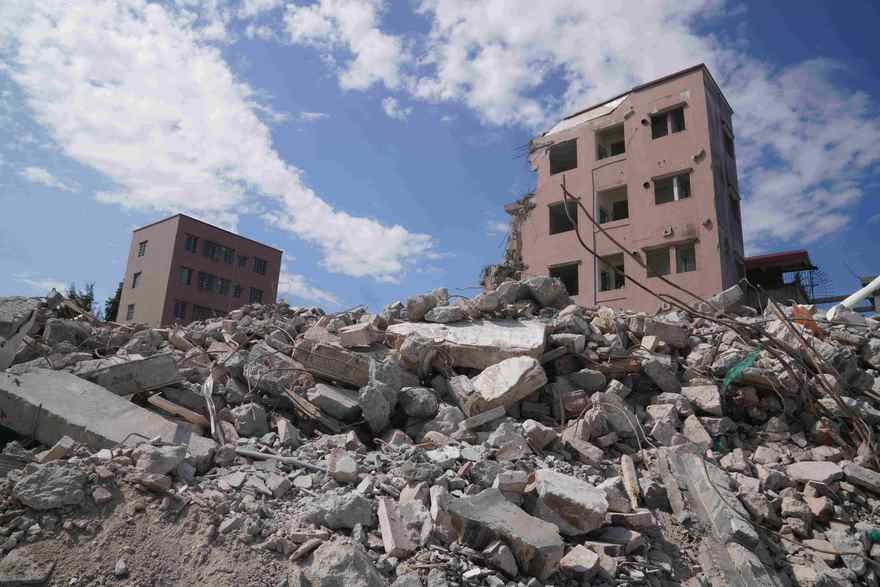
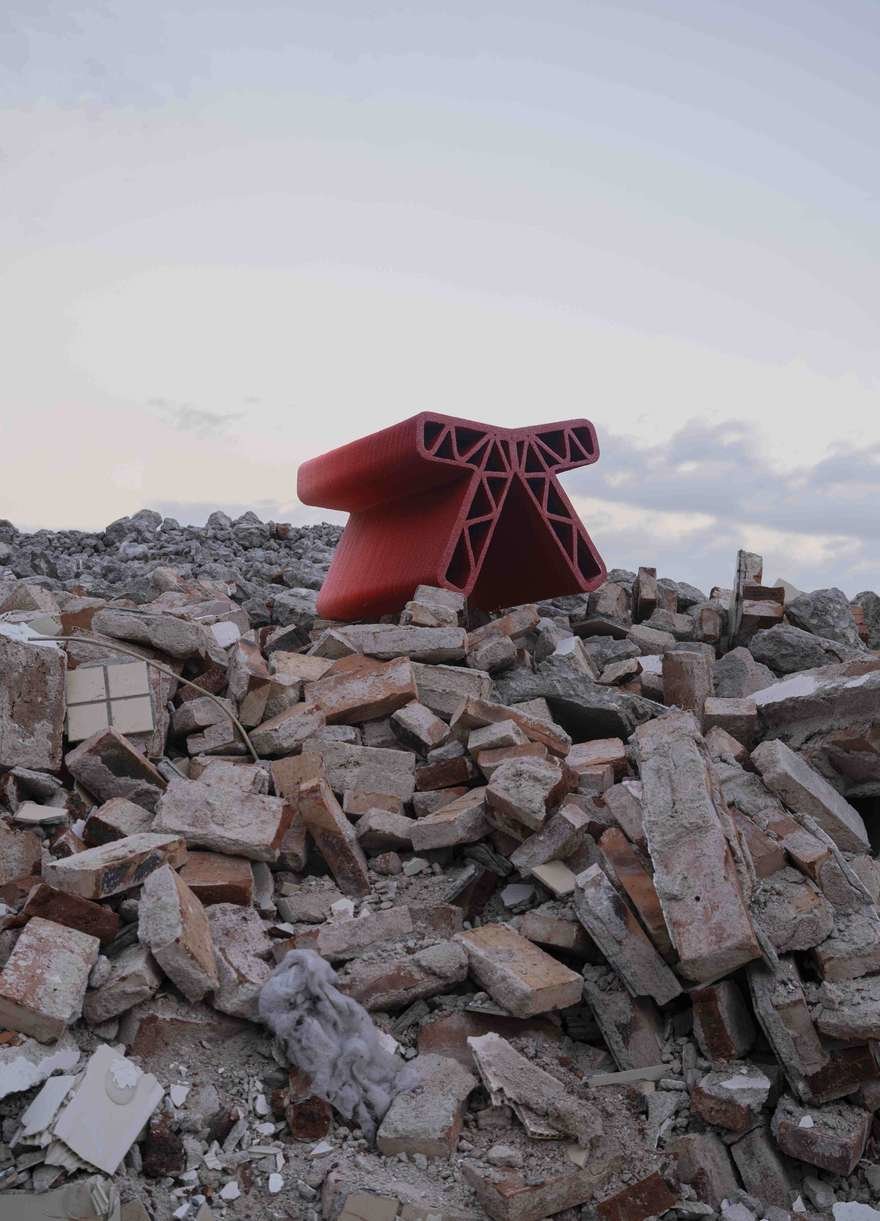
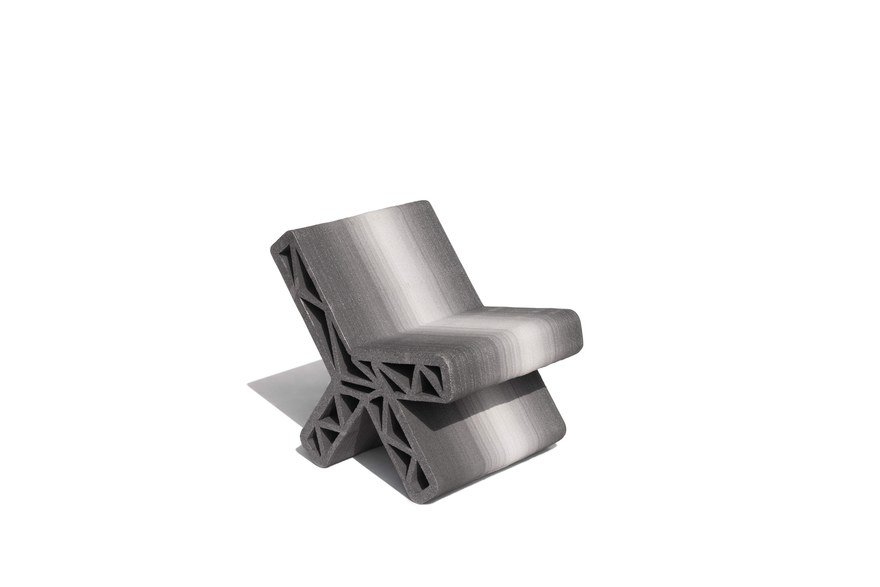
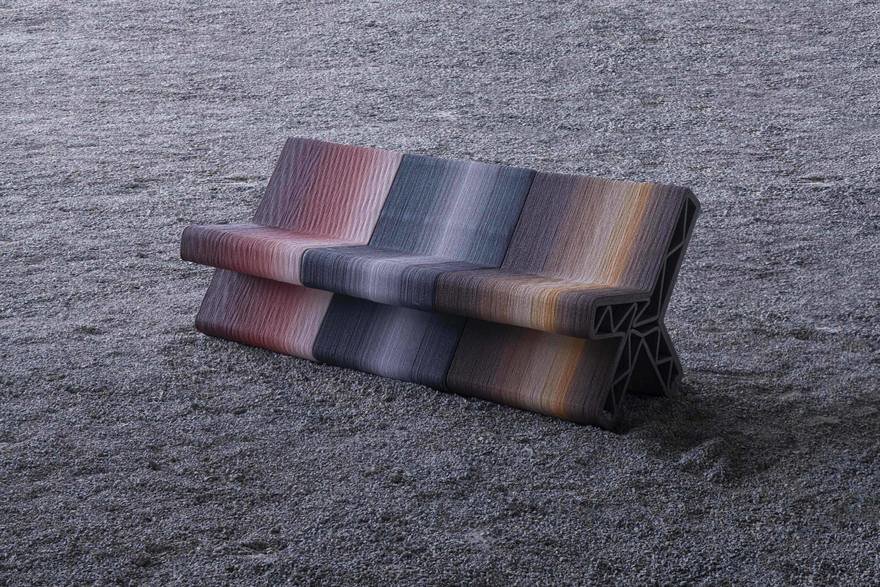
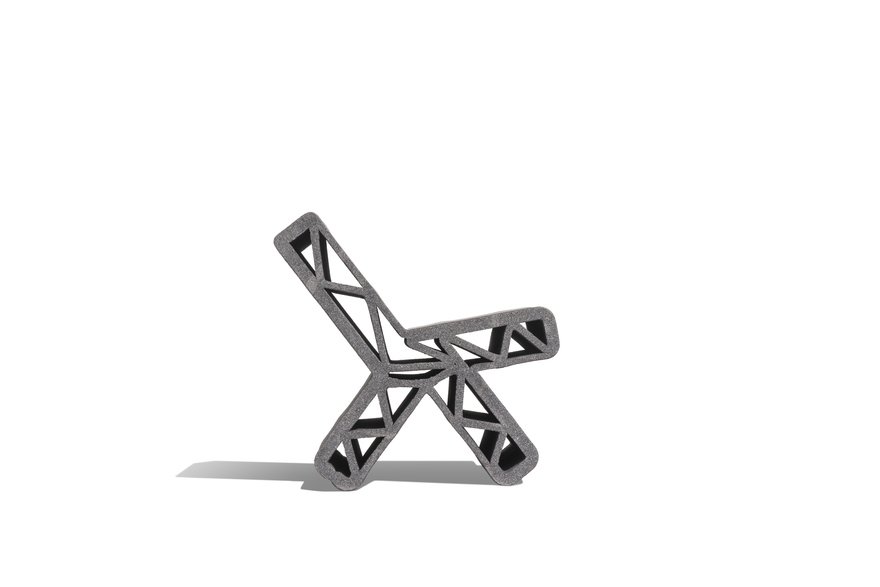
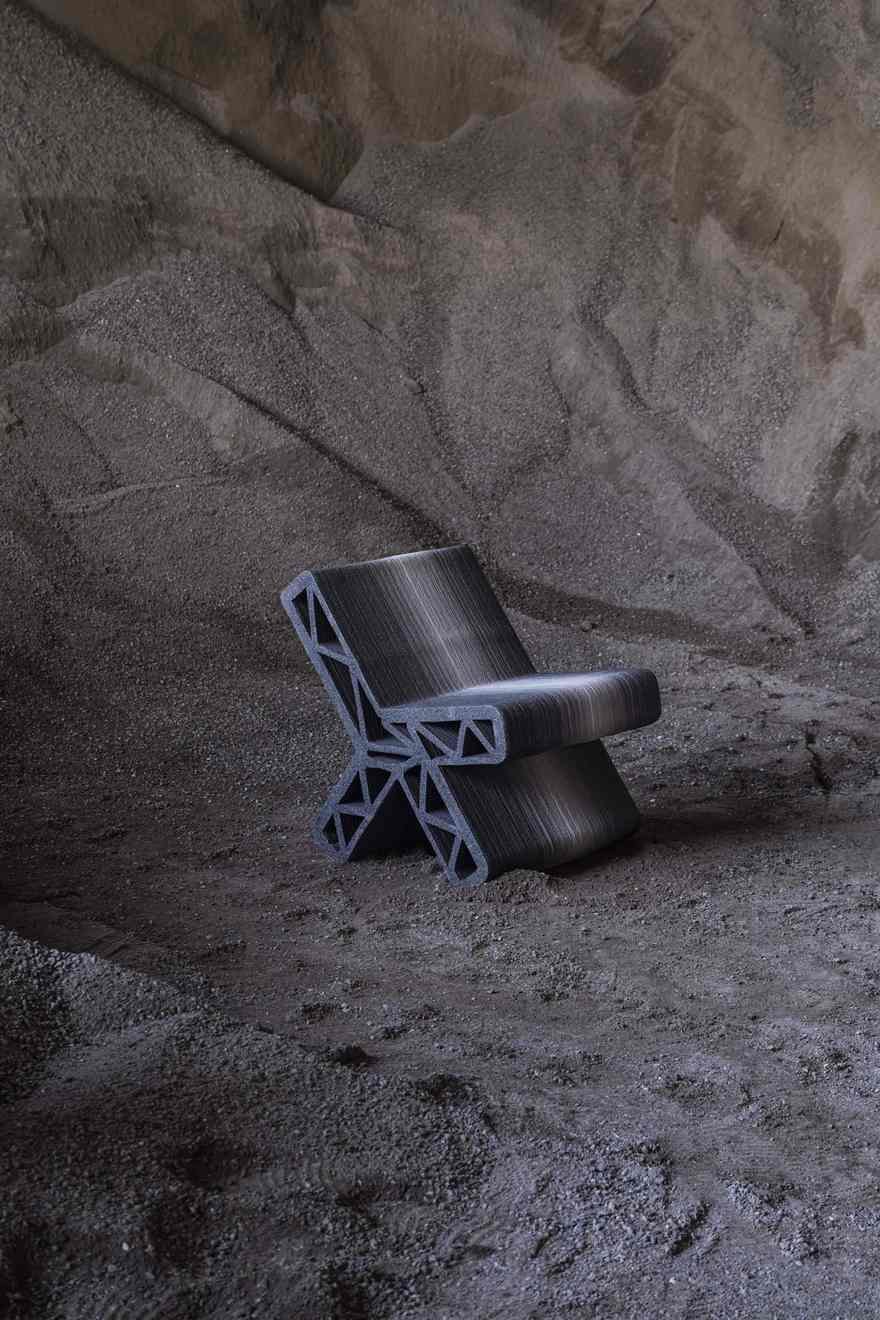
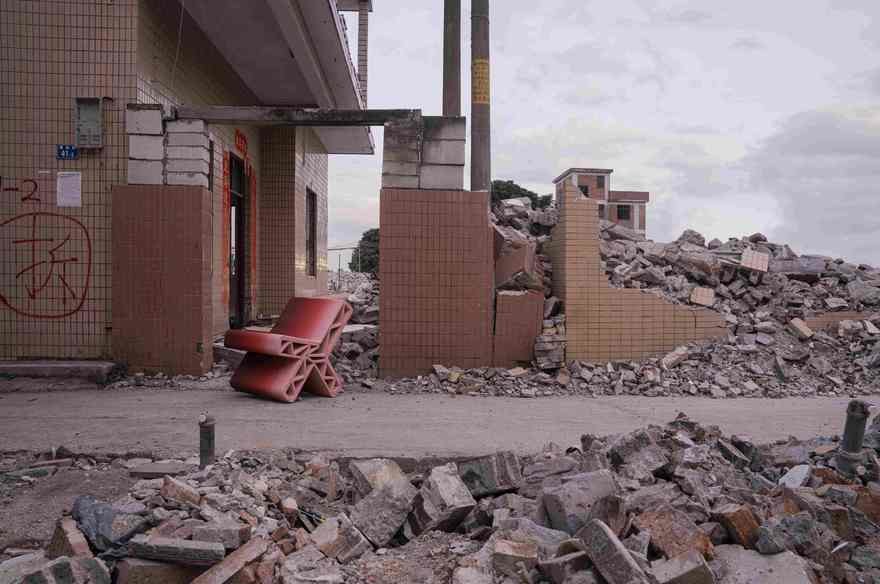
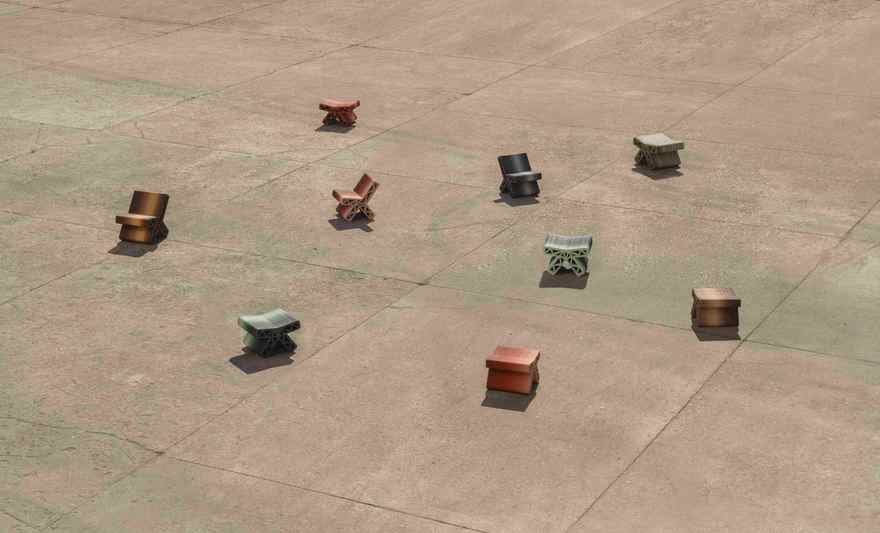
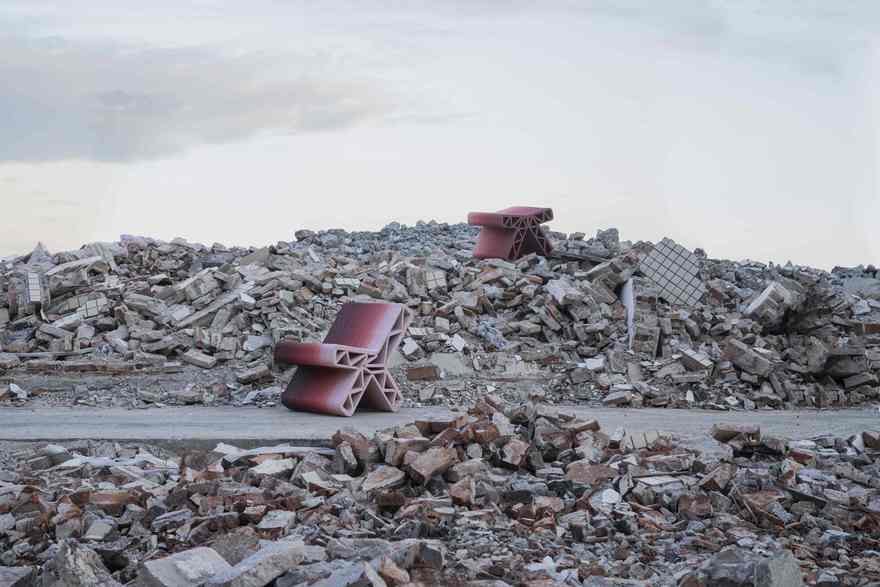
Inorganic Growth: The Regeneration of Urban Village Memory
In the grand narrative of China's urbanization, demolition sites of urban villages are often seen as transitional ruins. After the roar of bulldozers subsides, mountains of concrete fragments, red brick rubble, and mortar dust rise like hills. This seemingly worthless construction waste actually constitutes a unique "urban mine."
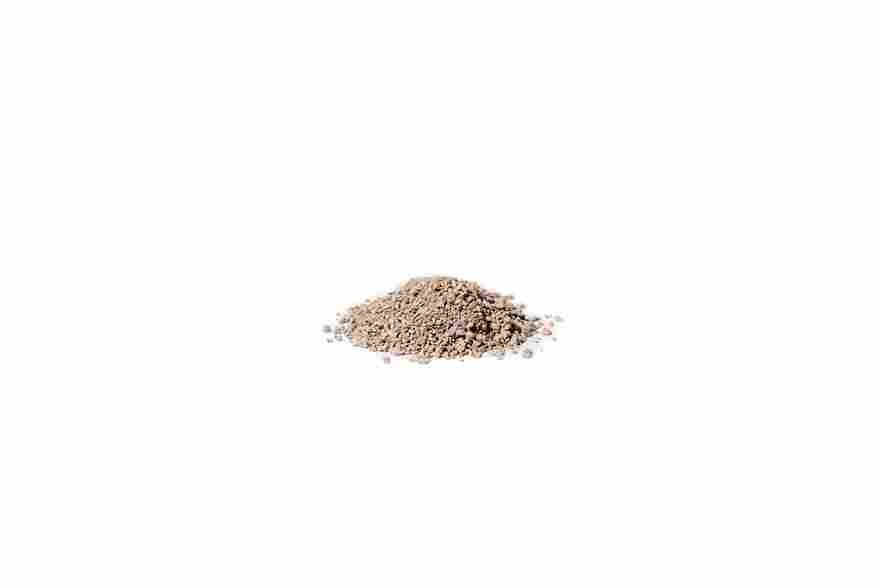
A precise graded crushing and activation process is used to treat these materials: primary crushing with a jaw crusher, followed by secondary shaping with an impact crusher, and finally classification of aggregates by particle size through multi-layer vibrating screens.
The key innovation lies in achieving an 85% waste content ratio: ultrafine powder with a particle size of 0 to 3 mm (comprising 30 to 35% of total waste) undergoes mechanical activation and chemical stimulation. It is then mixed with industrial byproducts such as fly ash, slag powder, and silica fume. These active supplementary cementitious materials optimize the binding system, transforming into "recycled cementitious components" with latent bonding activity. Simultaneously, coarse aggregates of 3 to 6 mm serve as the skeletal structure of the printing material.
By introducing nano-suspension surface modification technology, the water absorption rate of recycled aggregates was reduced from the conventional 8 to 10% down to 3 to 5%, and interfacial transition zone strength improved by more than 40%. This successfully addressed the industry challenge of performance degradation in printing materials with high recycled aggregate content. The printing material must possess the characteristic of being "fluid during extrusion and stable after deposition." By adding specific thixotropic agents and using AI predictive models to optimize mix ratios, excellent printability can be achieved even with recycled aggregates.
The living scenes of urban villages provide a unique aesthetic DNA for the "Inorganic Growth" series. Through image analysis algorithms, photographs of urban village scenes are collected and color-deconstructed to identify the most representative "urban village color spectrum": the dark red of faded spring couplets, the gray-green of rain-soaked walls, the rust-yellow of corrugated iron rooftops, the indigo of old ceramic tiles.
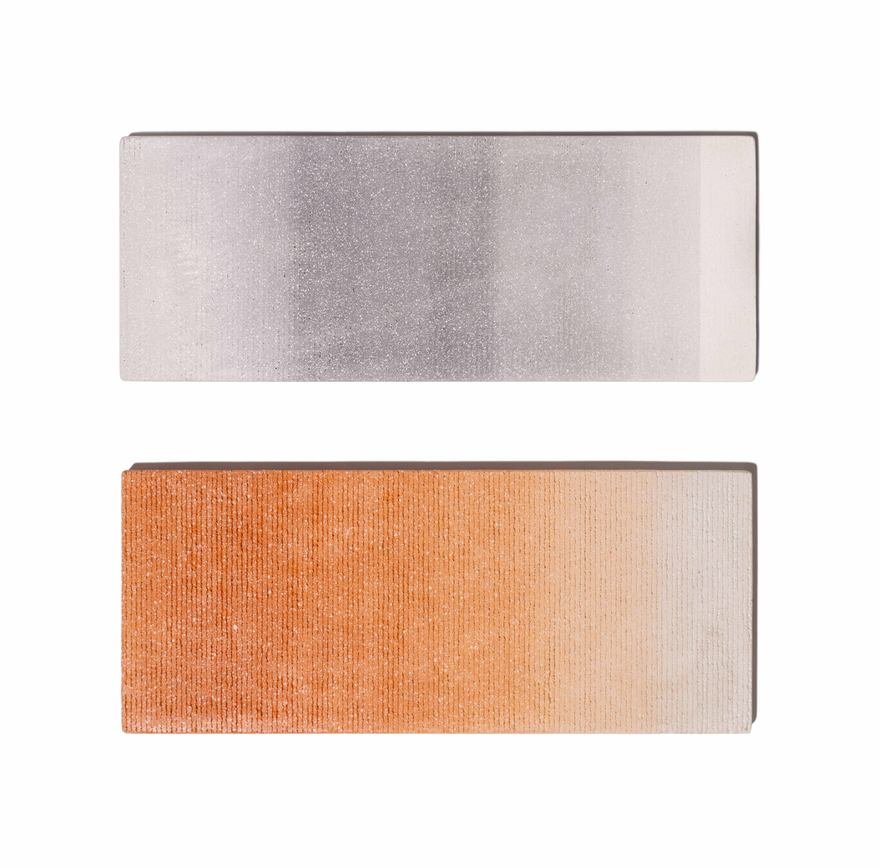
Drawing on the differences in mineral composition within construction waste and combining inorganic mineral pigments, a unique coloring system was developed. Red brick powder provides a ferrous-red base tone, concrete powder forms a cement-gray backdrop, and crushed glazed tile fragments produce blue-green hues.
Based on the layer-by-layer deposition principle of FDM (Fused Deposition Modeling) 3D printing, a dynamic color gradient control system was developed. Through the coordinated operation of dual print heads and precise adjustment of pigment ratios, inorganic colors achieve natural transitions along the Z-axis, for example, a gradient from deep gray at the base to brick red at the top.
This system transforms each piece of furniture into a three-dimensional "stratigraphic cross-section," converting the dimension of time into a visual color narrative. The side profile of one chair might display a color gradient from dawn to dusk, while another recreates the traces of years of wind and rain erosion on an urban village wall.
A mobile processing workstation established at the demolition site enables an integrated workflow of "demolition, crushing, sorting, preparation, and printing." Calculations show that this model reduces transportation carbon emissions by 70%, achieves a 92% material utilization rate, and realizes localized material cycling.
Compared to conventional concrete prefabrication or metalworking, 3D-printed recycled concrete furniture reduces carbon emissions by 65 to 80%. Smart slicing algorithms maximize material usage optimization, reducing average material consumption by 40% and enabling a low-carbon manufacturing process.
The deeper value of the "Inorganic Growth" series lies in its role as a material vessel for emotional memory. It draws inspiration from the potential of materials, visualizes the elusive concept of "time," and interprets the intrinsic qualities of materials through natural forms. It aims to evoke a sense of familiarity and distinctiveness, building a bridge between design production and everyday life, and inspiring the social, cultural, and emotional dimensions of materials through transformation and metamorphosis.
The "Inorganic Growth" series transcends mere technical application or aesthetic experimentation; it points toward a new ethic of urban development: what we demolish is not only physical space but social relationships; what we rebuild is not only the material environment but identity itself.
Each seemingly silent piece of urban furniture tells a simple truth in its own material language: the true wisdom of urban renewal lies not in creating a pristine freshness devoid of history, but in using technology as a medium to allow memory to attain permanence in another form.
-
oFavorite This
-
QComment
Share your thoughts
K
{Welcome
Create a Core77 Account
Already have an account? Sign In
By creating a Core77 account you confirm that you accept the Terms of Use
K
Reset Password
Please enter your email and we will send an email to reset your password.