
e
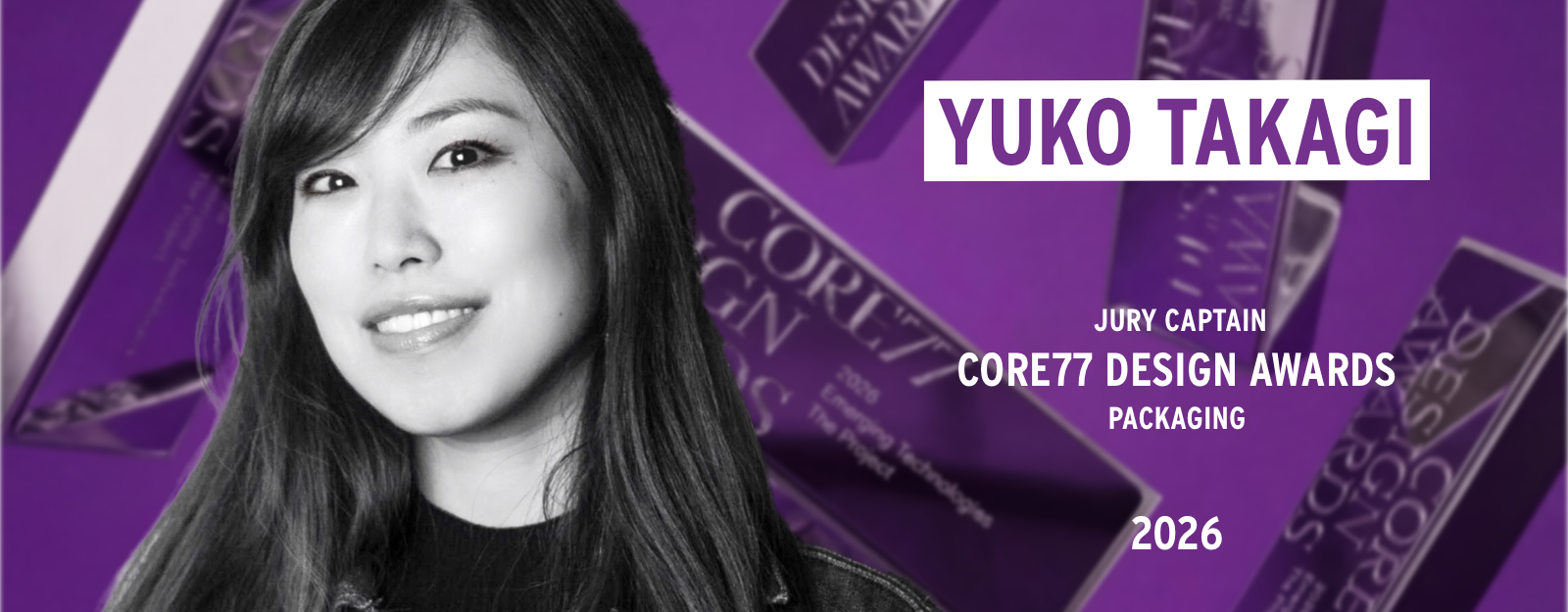
Core77 Design Awards 2026: Yuko Takagi on Design That Resonates at Scale
The Tokyo-based designer on transforming complexity into clarity and explaining why your work matters
Yuko Takagi finds her greatest satisfaction when complexity gives way to clarity. "I'm most excited when a complex challenge becomes a clear, meaningful design solution," she says. "Seeing that idea improve sales or resonate with consumers is incredibly rewarding."
Yuko works as a Design Manager at a FMCG (fast-moving consumer goods) where high-stakes design decisions ripple out at massive scale. "Small decisions can impact millions," she notes, "so finding simple, human-centered clarity in the process is what drives me."
Based in Tokyo, Yuko specializes in brand development, package design, and visual identity—bringing brands to life through clear and creative ideas. With over a decade of experience across both client and agency environments, she's delivered award-winning design solutions for global and local brands. Her work spans branding, packaging, structural design, and visual identity systems, earning recognition from the Pentawards, The Dieline Awards, and the A' Design Award.
The Erosion of Originality
Yet Yuko sees troubling patterns emerging in contemporary design practice. "I'm concerned that originality is being lost," she says directly. "Trends and AI tools make it easy to create visually loud but conceptually thin work, leading to designs that all look similar."
Her concern centers on the gap between surface appeal and substantive thinking. When tools lower the barrier to producing polished visuals, the risk is that design becomes untethered from the problem-solving and intentionality that give it meaning. "Good design should stay rooted in intention and real problem-solving," Yuko emphasizes.
Show Your Thinking
As jury captain for the Packaging category in the 2026 Core77 Design Awards, Yuko will be looking beyond aesthetic execution to the reasoning that shaped it. Her advice to entrants focuses on articulation and context.
"Clearly explain why your design matters," Yuko says. "Strong entries show the thinking behind the work—the insight, constraints, and decisions that led to the solution."
It's not enough to present the final package. Yuko wants to understand the path that led there—what insights drove the concept, what constraints shaped the form, what decisions distinguished this solution from other possible approaches. "A clear purpose makes a project far more memorable and convincing," she concludes.
For designers entering the Packaging category, the challenge is dual: create work that transforms complexity into clarity, then clearly communicate how and why that transformation happened.
2025 Winner
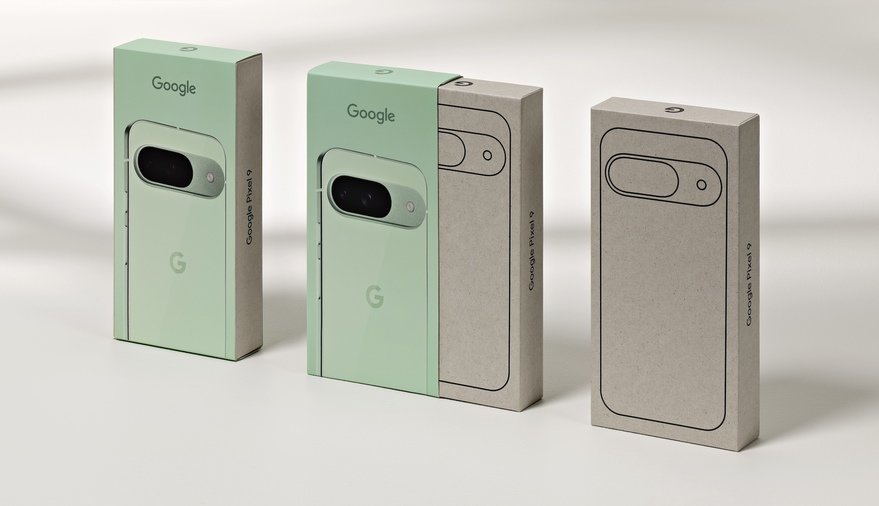
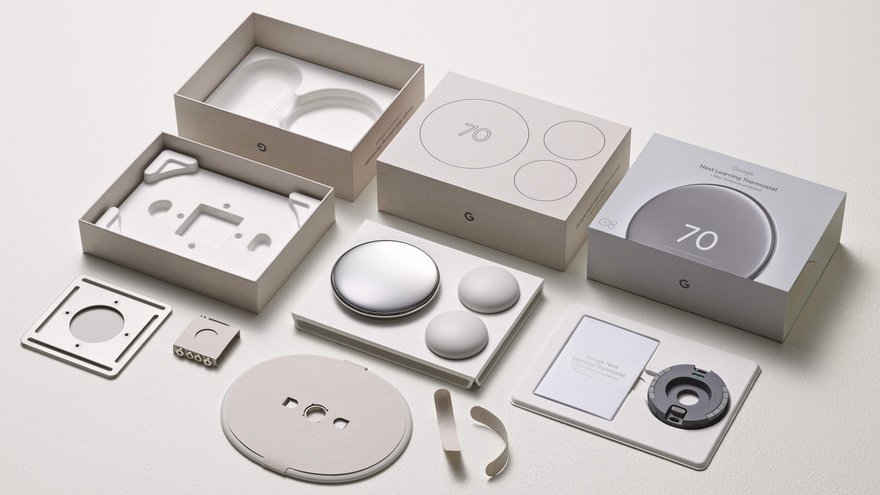
Winning the Professional category is an innovative packaging plan Google Plastic-Free Packaging, by Roman Ley at Google. Google's packaging for all hardware products, including Pixel, Nest, and Fitbit, is now 100% plastic-free, fully recyclable, and features innovative materials like custom-developed paper and molded fiber.
If you have a forward-thinking idea that could spark a fire with our jurors, share it with us through the 2026 Core77 Design Awards.
The final deadline to enter is March 28. Don't miss out - enter now!
-
oFavorite This
-
QComment
Share your thoughts
Directory Company Profiles

Core77
Industrial Design
Resources
Industrial Design
Resources
-
Core77 Directory
Find the Best Industrial Design CompaniesGo -
Hatch Duo, LLC
Founded by an award-winning team with over 20 years of combined product design experience, Hatch Duo...
-
ECCO Design
ECCO Design is a full service product design and innovation firm. We are a team of designers, resear...
-
andesignlab
ANDESIGN is an industrial design consultancy based in Orange County California and Austin Texas. AN...
-
DesignStein Studios, LLC
We are a team of industrial designers focused on developing products that are intended for tooling a...
-
Bluemap Design
BlueMap design is a multi-disciplinary product development firm. Founded by Simon Yan in 2001, the f...
-
Fahrenheit Design
Fahrenheit is an award-winning product design and innovation firm based in Austin, Texas. Since 2002...
-
RMT PRODUCTS LIMITED.
RMT PRODUCTS CO. , LTD. provide on-time delivery, high-quality prototyping and manufacturing . It i...
K
{Welcome
Create a Core77 Account
Already have an account? Sign In
By creating a Core77 account you confirm that you accept the Terms of Use
K
Reset Password
Please enter your email and we will send an email to reset your password.