
e
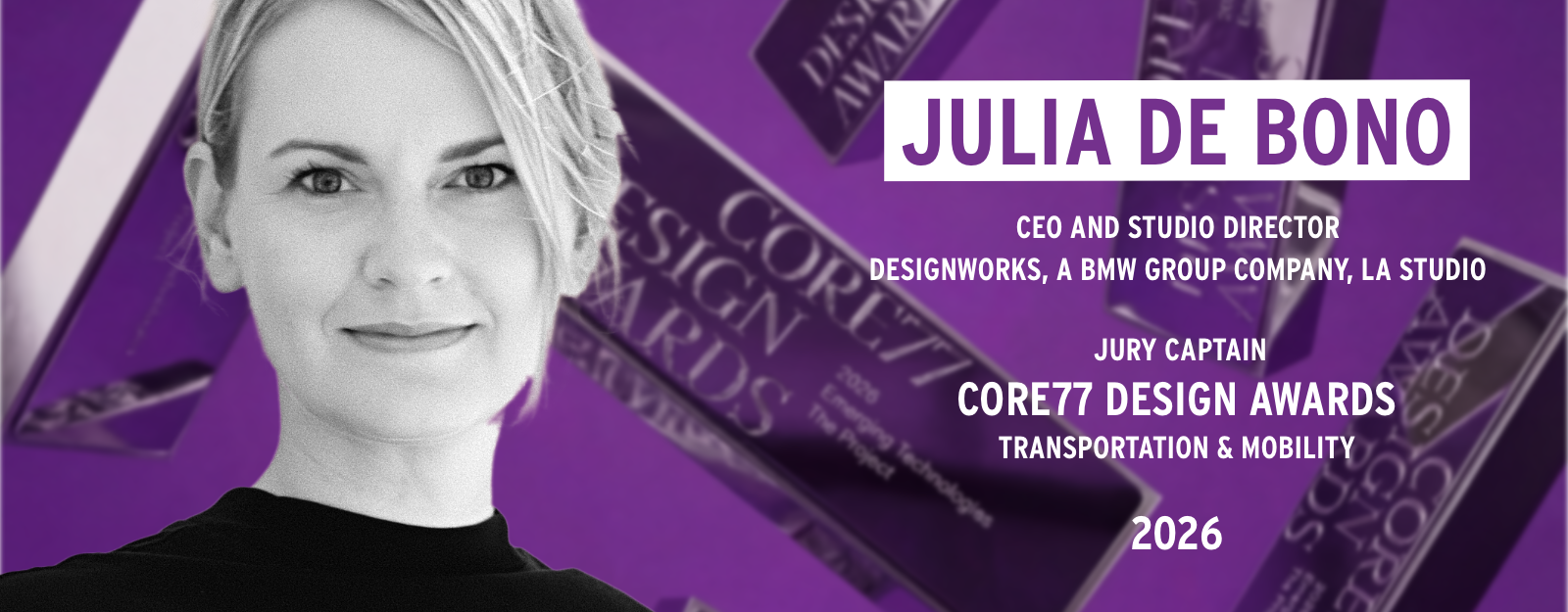
C77DA2026: Designworks CEO Julia de Bono Sees Designers as Creators of Intelligent Systems
She cautions against designers giving away their agency
When asked to name the one thing that most excites her in the current world of design, Julia de Bono speaks in terms of intelligences, plural. "Human intuition, machine learning, material behavior, cultural memory and, of course, the ultimate intelligence: nature," she says. "Design now happens in the dialogue of many forms of intelligence."
As CEO of Designworks, BMW Group's global creative consultancy, Julia has led the design of visionary concept vehicles including the BMW Vision Next 100, Mille Miglia Concept, and 3.0 CSL Hommage. Formerly head of BMW's Concept Car Team and Global Design Strategy, she now drives cross-industry innovation—advancing AI-augmented creativity, circular product ecosystems, and future mobility experiences for BMW, MINI, Rolls-Royce, and external partners across technology and transportation.
For Julia, this convergence of multiple intelligences represents a fundamental expansion of what design can be. "The role of the designer is expanding from 'maker of objects' to 'creator of intelligent systems,'" she explains. "When we embrace that shift, design stops being about control and starts being about possibility."
Wrestling With Ideas
Asked about concerns for the design field, Julia reframes the question itself. "I don't believe in worry. Worry freezes. Creation moves," she says. Instead, she pays attention to something more specific: "designers giving away their agency—letting speed replace intention and output replace authorship."
The risk, as Julia sees it, lies in disengagement from the creative process. "When we stop wrestling with ideas and making deliberate choices, design risks becoming decoration or automation. Creation is an act of responsibility, and staying engaged in that responsibility is the work."
It's a perspective that acknowledges AI and automation not as threats but as tools that make intention and authorship even more critical. The question isn't whether to use these technologies but whether designers maintain their active role in shaping outcomes.
Challenge Assumptions
As jury captain for the Transportation & Mobility category in the 2026 Core77 Design Awards, Julia will be looking for work that demonstrates courage alongside craft. Her advice to entrants challenges them to push beyond comfort zones.
"Ask 'What if?' until it makes you uncomfortable, and then ask 'Why not?' anyway," Julia says. "The work that stays with you is rarely the most polished or predictable; it's the work that challenges an assumption, reframes the question, or dares to imagine a different future."
She concludes with a reframing of risk itself: "Risk isn't the opposite of rigor, it's often proof of it."
For designers entering the Transportation & Mobility category, her perspective is clear. The most compelling work will take on the complexity of contemporary mobility while maintaining clear authorship and intention. Rather than simply refining existing solutions, the entries that stand out will question the assumptions behind them and imagine what mobility could become next.
2025 Winner
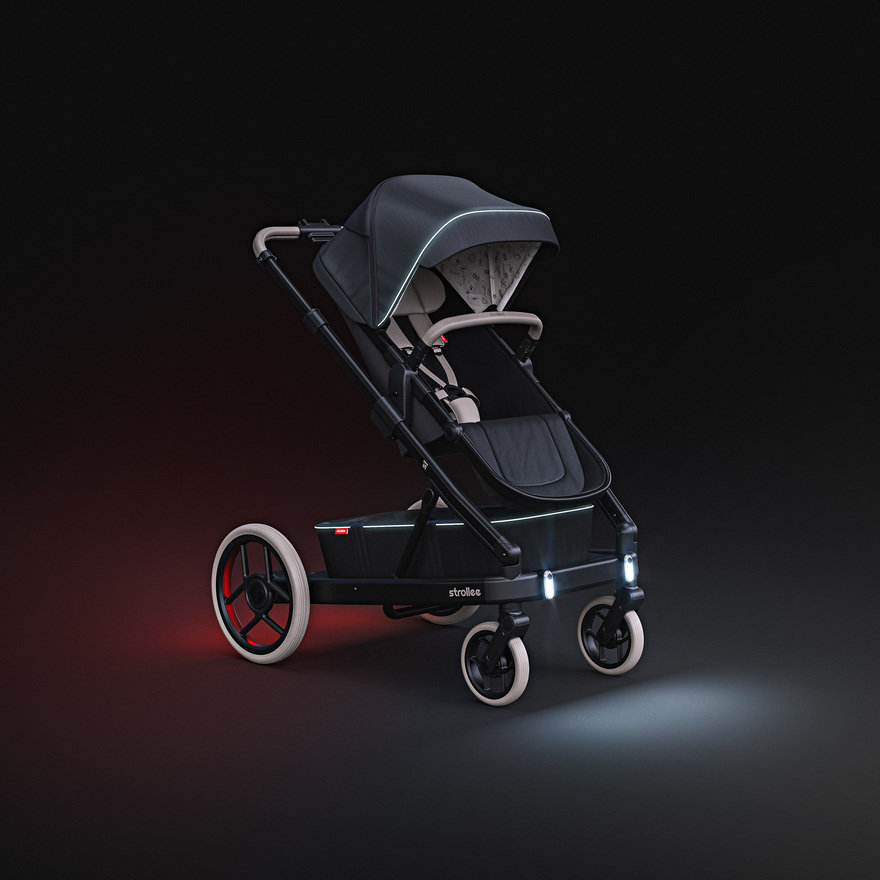
The winning Transportation & Mobility Professional entry from 2025 was Strollee Kids, a modular and versatile stroller system taking one stroller from bassinet to one-seat, two-seat, urban (4 wheels), jogger (3 wheels) and even a wagon when the kids outgrow the stroller.
If you have a forward-thinking idea that could spark a fire with our jurors, share it with us through the 2026 Core77 Design Awards.
Don't delay - the final deadline for entries is Friday March 27!
-
oFavorite This
-
QComment
Share your thoughts
Directory Company Profiles

Core77
Industrial Design
Resources
Industrial Design
Resources
-
Core77 Directory
Find the Best Industrial Design CompaniesGo -
Hatch Duo, LLC
Founded by an award-winning team with over 20 years of combined product design experience, Hatch Duo...
-
ECCO Design
ECCO Design is a full service product design and innovation firm. We are a team of designers, resear...
-
andesignlab
ANDESIGN is an industrial design consultancy based in Orange County California and Austin Texas. AN...
-
DesignStein Studios, LLC
We are a team of industrial designers focused on developing products that are intended for tooling a...
-
Bluemap Design
BlueMap design is a multi-disciplinary product development firm. Founded by Simon Yan in 2001, the f...
-
Fahrenheit Design
Fahrenheit is an award-winning product design and innovation firm based in Austin, Texas. Since 2002...
-
RMT PRODUCTS LIMITED.
RMT PRODUCTS CO. , LTD. provide on-time delivery, high-quality prototyping and manufacturing . It i...
K
{Welcome
Create a Core77 Account
Already have an account? Sign In
By creating a Core77 account you confirm that you accept the Terms of Use
K
Reset Password
Please enter your email and we will send an email to reset your password.