
e
A Magnetically Self-Coiling Charging Cable
The Skegic MagCable is like an old-school retractile telephone cord
Back in the days of corded landlines, everyone had a phone in the kitchen. It was desirable for the cord to be long, so users could still move around the kitchen as they chatted. Telephone manufacturers provided a built-in way to keep cords long, yet manageable:
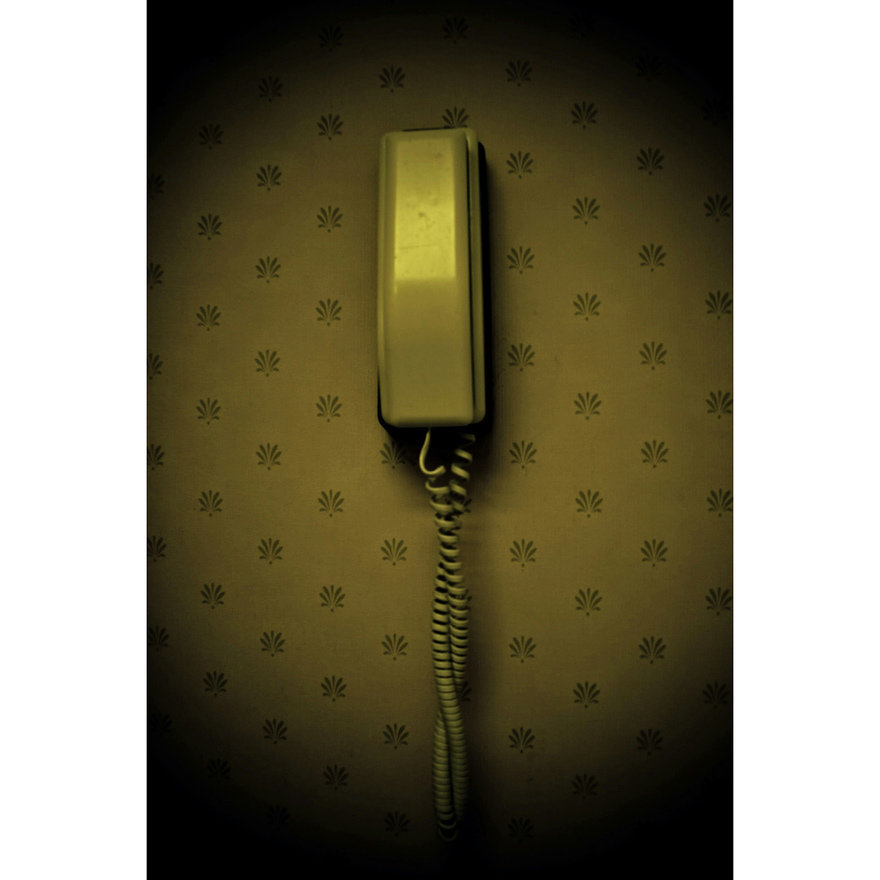 Image: Al Butler
Those are called retractile cords, and they were made on purpose-built coiling production lines. First copper is drawn and annealed into wires. These wires are individually insulated (so they don't mix signals), then wrapped together in a plastic sleeve, either PVC or polyurethane. Next the cords, which are still straight at this point, are wrapped tightly around a long mandrel and baked in an oven, softening the plastic sleeve. The sleeve is cooled in place on the mandrel, having "learned" the helical shape it's in.
Payphone manufacturers, however, didn't have to worry about length, just durability.
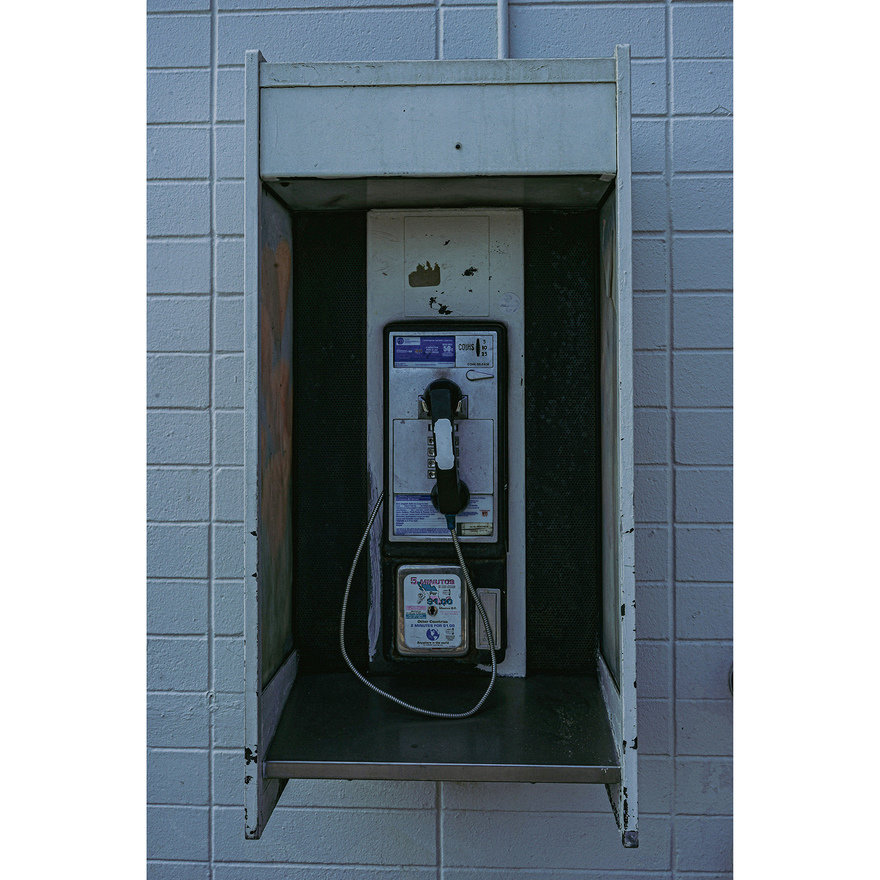 Image: Tyler Criso
With the transition to cordless landlines, I'm thinking a lot of those coiling production lines went dormant. And with the subsequent transition to cell phones, a lot of coiling production lines were probably scrapped altogether.
While careful manufacturing attention was paid to corded telephone lines, cell phone charging cables have been treated as an afterthought; all design attention was focused on the phones themselves.
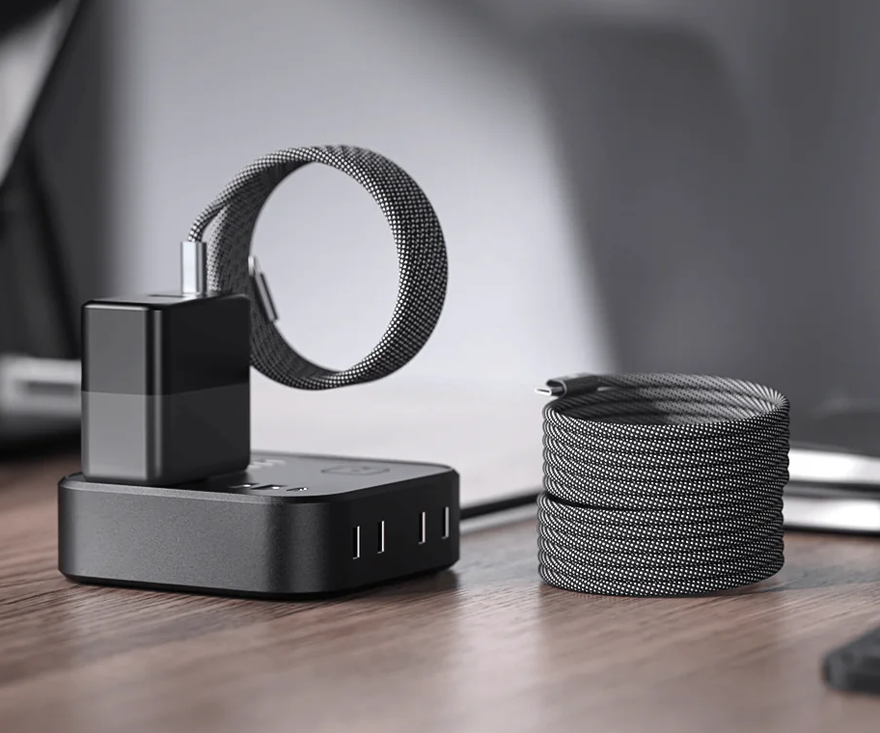
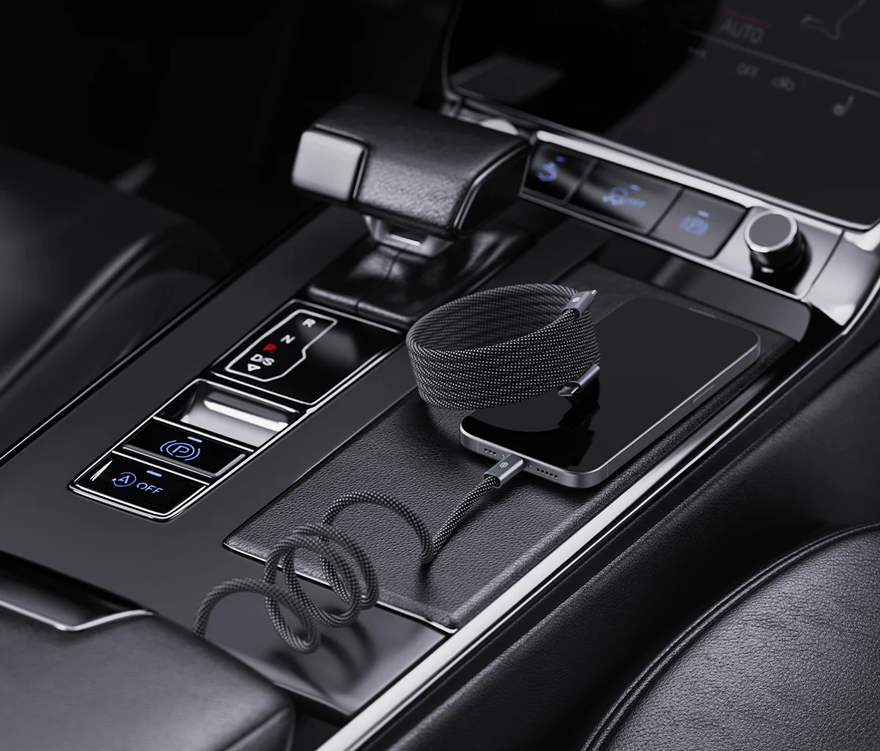
However, a Chinese charging accessories manufacturer called Skegic is paying attention, and has borrowed a trick from old-school coiled telephone cords. This is their MagCable, a 100W charging cable:
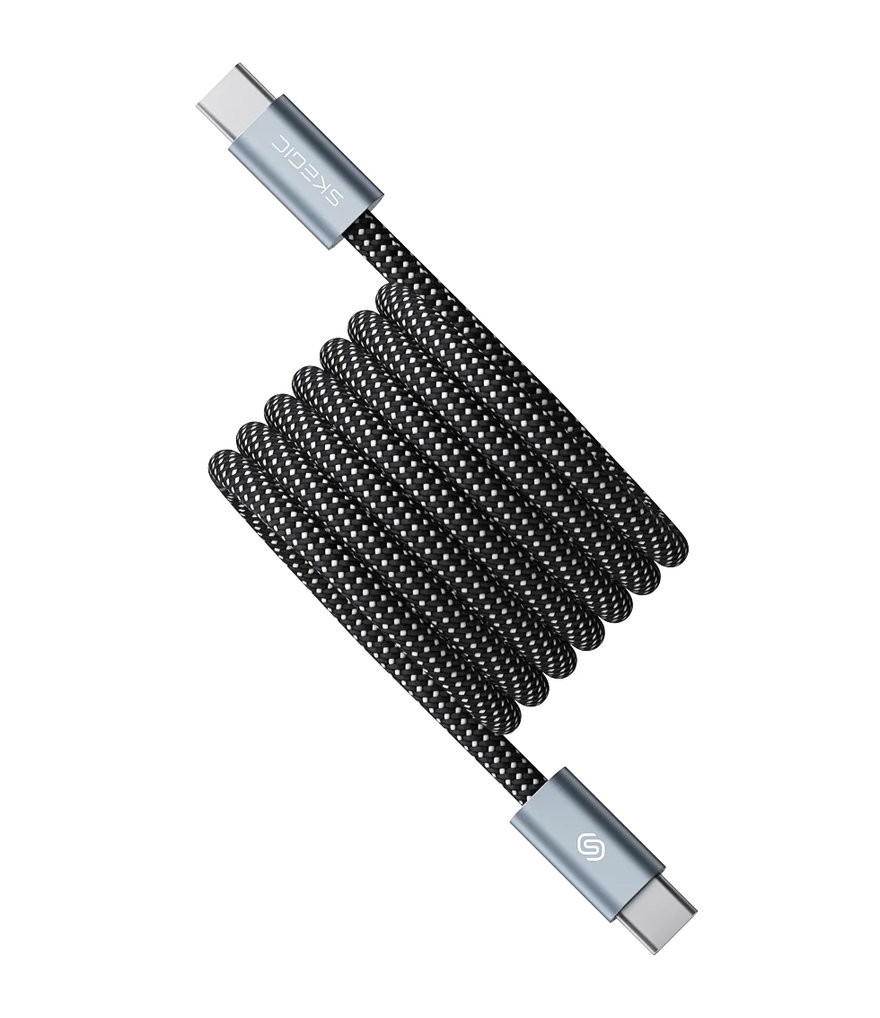
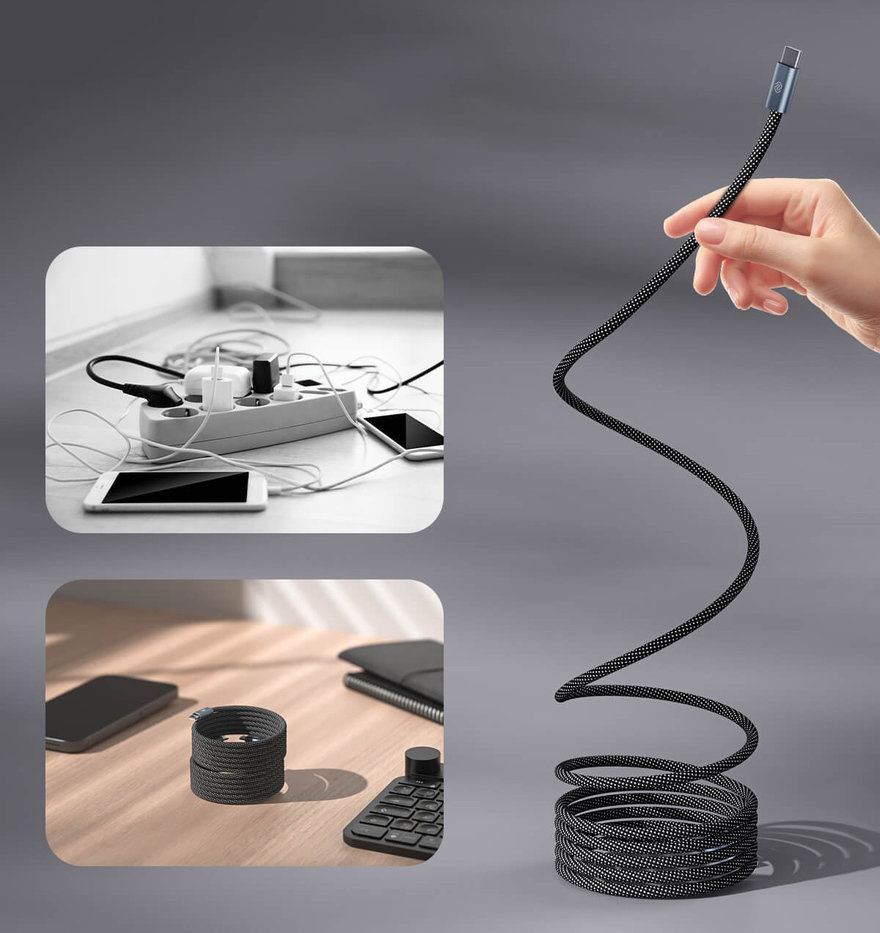
It's not made the same way that traditional retractile cords are. Instead, there are magnets integrated at specific intervals along the jacketing, causing the cord to self-coil when it's slack. Pretty smart design.

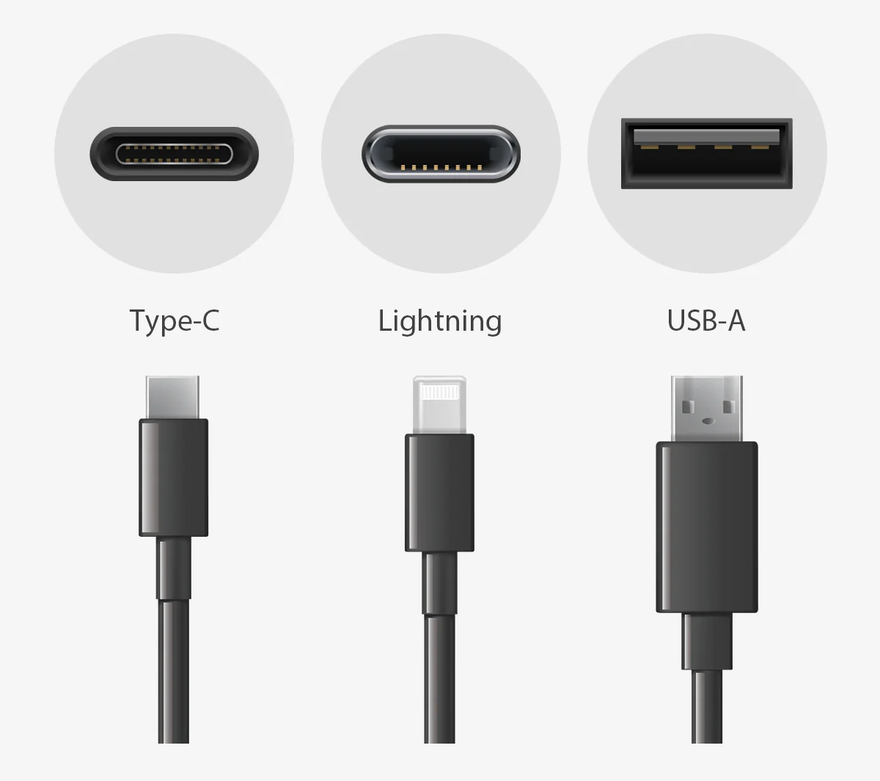
The MagCable is offered with three different connection options, and runs $25.
-
o5Favorite This
-
QComment
Share your thoughts
Directory Company Profiles

Core77
Industrial Design
Resources
Industrial Design
Resources
-
Core77 Directory
Find the Best Industrial Design CompaniesGo -
Hatch Duo, LLC
Founded by an award-winning team with over 20 years of combined product design experience, Hatch Duo...
-
ECCO Design
ECCO Design is a full service product design and innovation firm. We are a team of designers, resear...
-
andesignlab
ANDESIGN is an industrial design consultancy based in Orange County California and Austin Texas. AN...
-
DesignStein Studios, LLC
We are a team of industrial designers focused on developing products that are intended for tooling a...
-
Bluemap Design
BlueMap design is a multi-disciplinary product development firm. Founded by Simon Yan in 2001, the f...
-
Fahrenheit Design
Fahrenheit is an award-winning product design and innovation firm based in Austin, Texas. Since 2002...
-
RMT PRODUCTS LIMITED.
RMT PRODUCTS CO. , LTD. provide on-time delivery, high-quality prototyping and manufacturing . It i...
K
{Welcome
Create a Core77 Account
Already have an account? Sign In
By creating a Core77 account you confirm that you accept the Terms of Use
K
Reset Password
Please enter your email and we will send an email to reset your password.