
e
This Cleverly Designed Fish Box Reduces Emissions and Waste
The difference between stacking and nesting
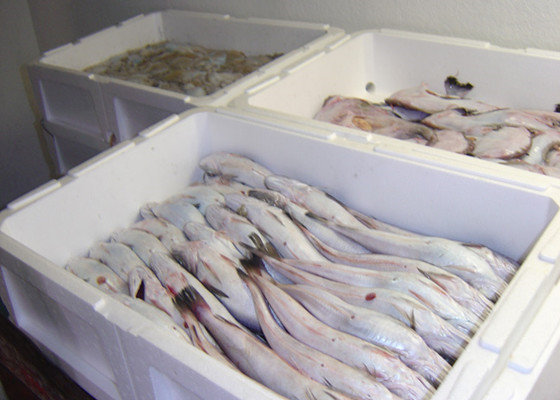
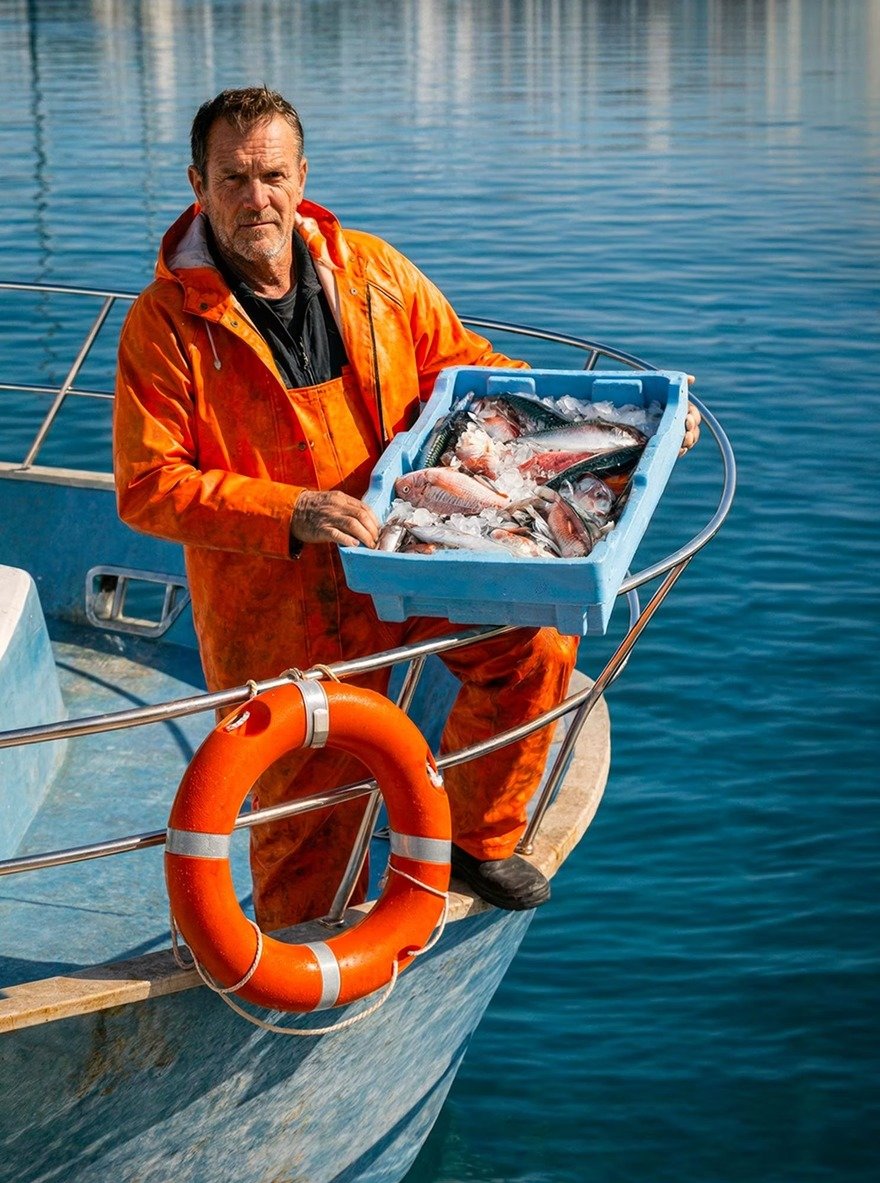
When commercial fisherman haul their catch onboard, they dump them into these fish boxes. These are put on-ice, offloaded at shore, and transported directly to fish markets and auctions. The boxes are then transported to a processing facility. The fish are removed, to be processed and re-packaged, and the boxes are discarded or recycled.
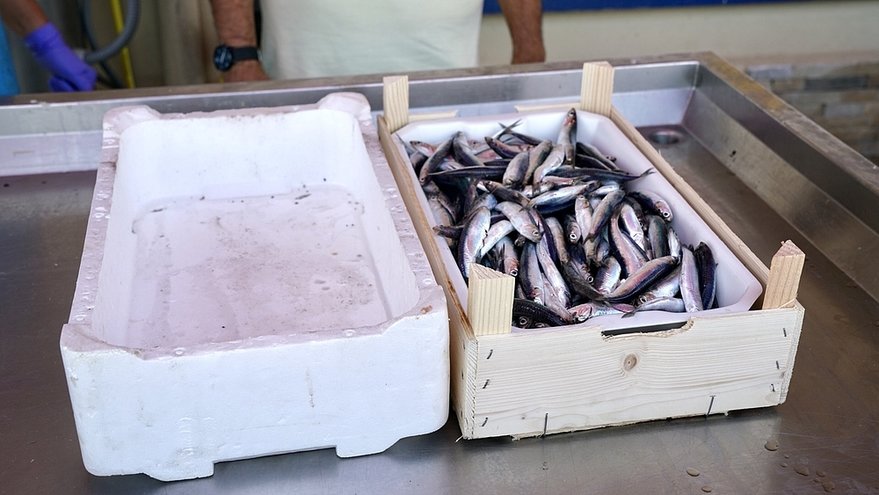
The boxes are made out of Expanded Polystyrene Foam (EPS), a/k/a Styrofoam, and are de facto single-use; they're never re-used due to fear of contamination. EPS is technically recyclable, and in Europe, where standards are stringent, these often are. However, in the rest of the world, not so much.
Milan-based design firm Cono Studio has designed a better solution. Their CN Fishbox is designed out of vegetable-waste-derived bio-based plastic. Not only do they use no petroleum in their production, but they're 100% biodegradable.
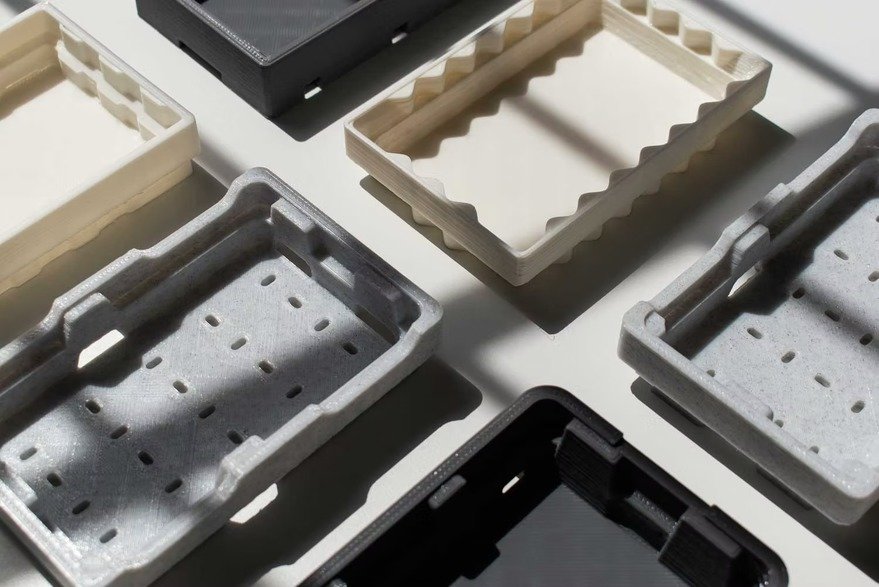
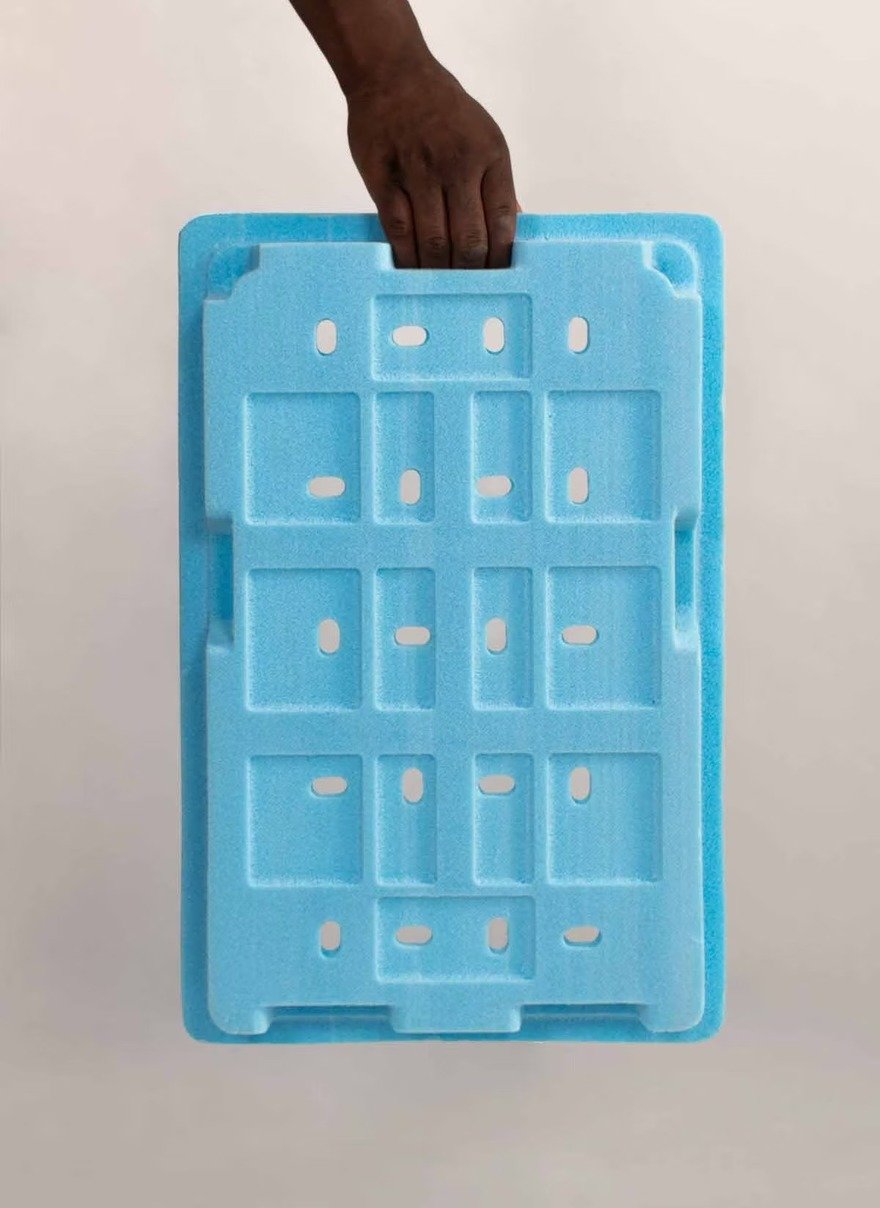
But they have another trick. The standard EPS fish boxes are designed to stack, but not to nest. So when they're being shipped, empty, from the manufacturer to the fishing companies, there is a fair bit of wasted space. The CN Fishbox, however, is designed to both stack and nest. If all of the CN Fishboxes are placed pointing in the same orientation, they nest within each other.
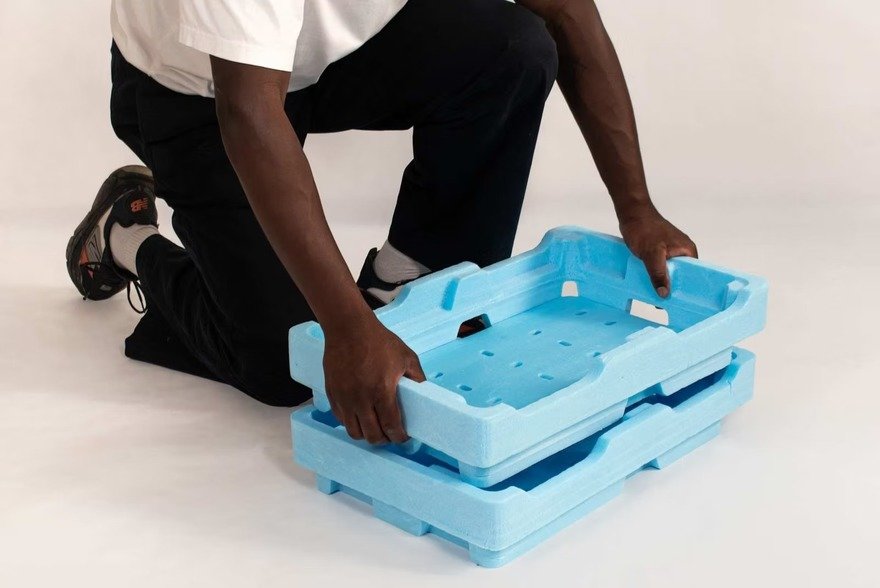
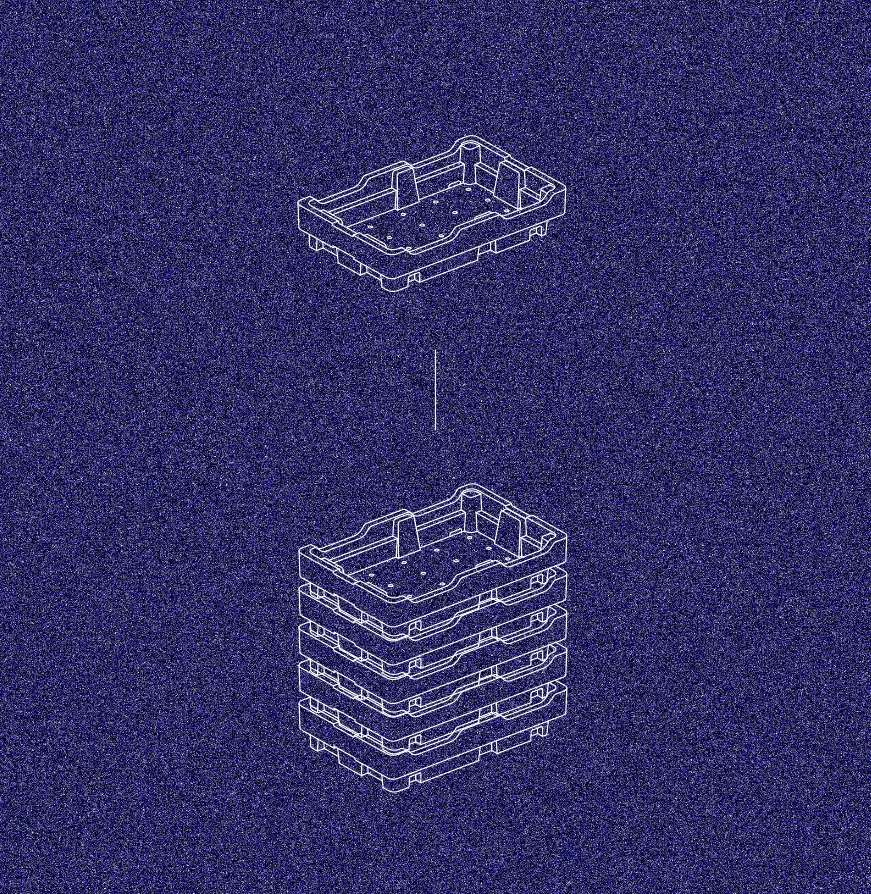
However, if you rotate one of them 180 degrees, now they stack. That's because the ledges inside of them are offset, and the pieces do not have 180-degree rotational symmetry.
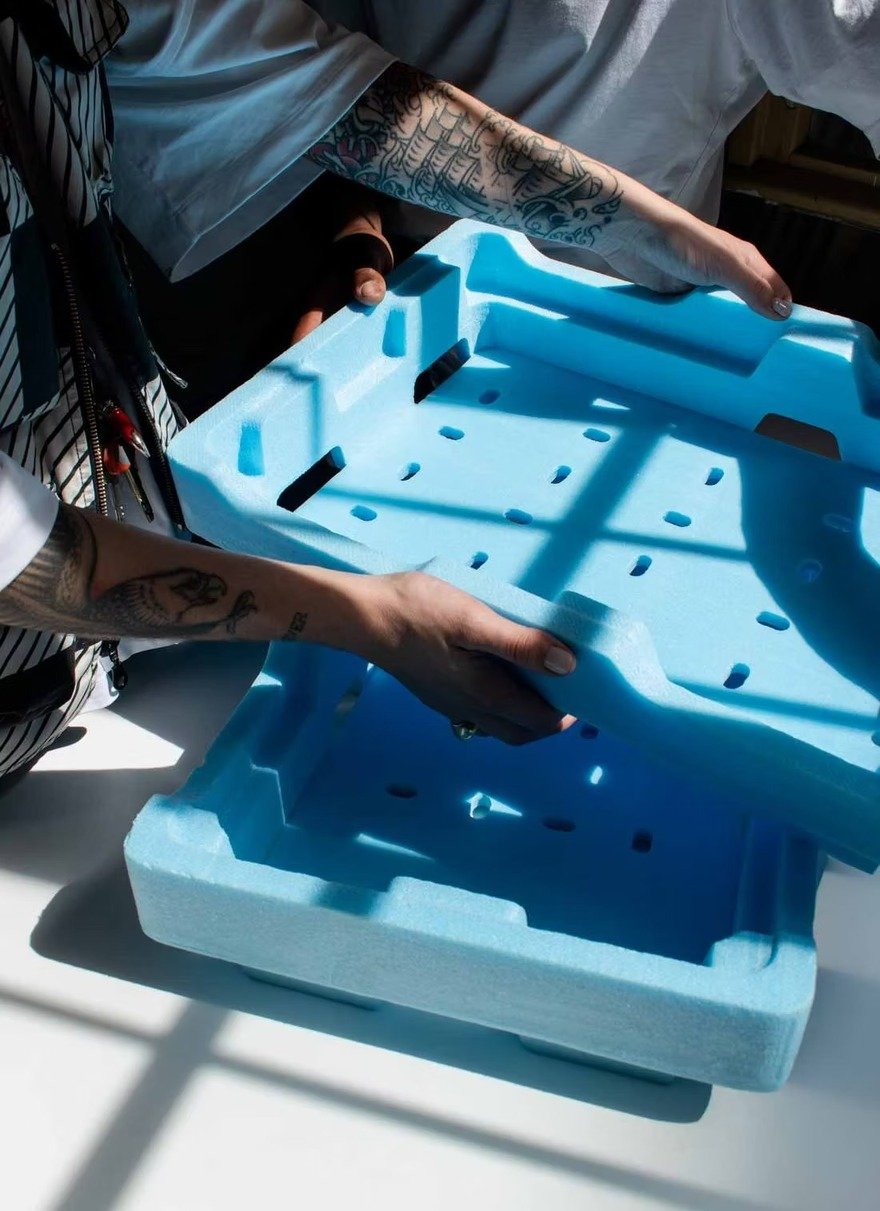
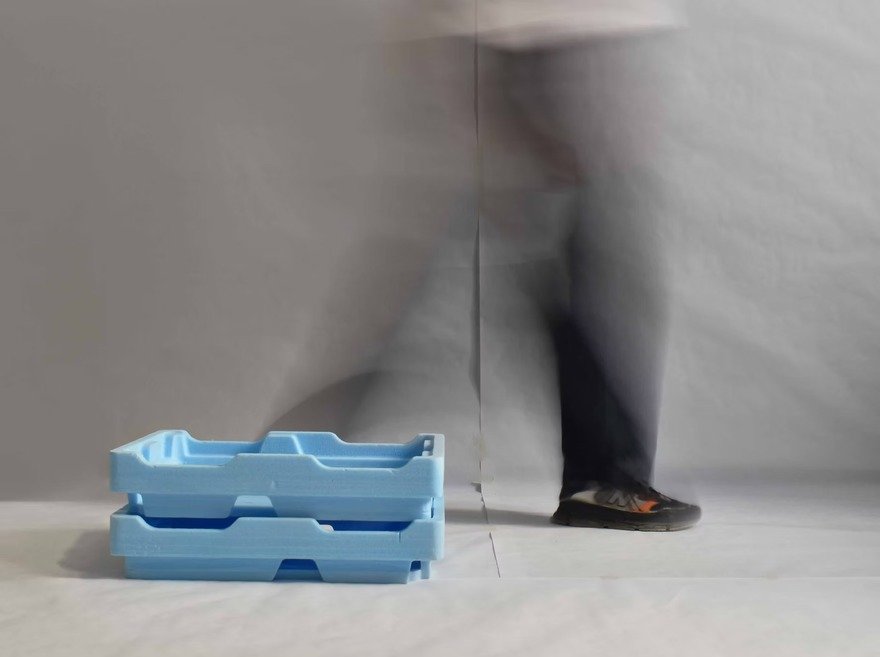
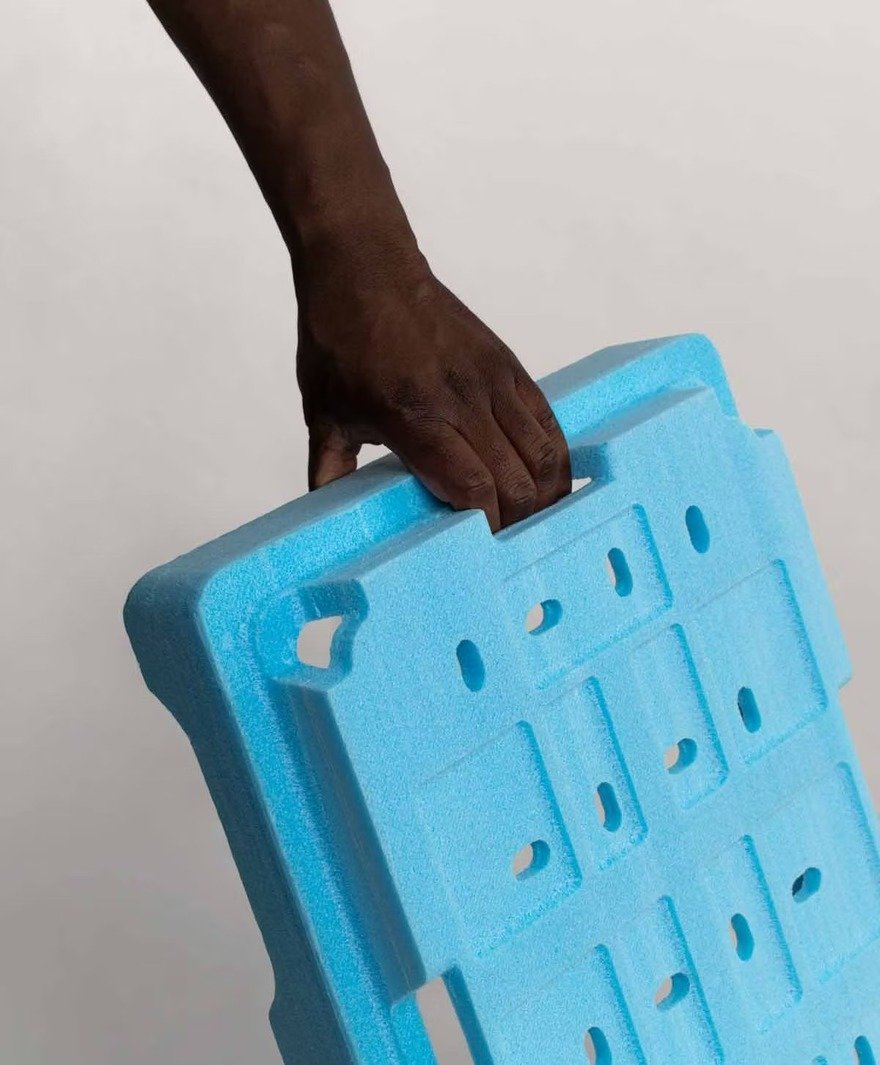
The advantage of this approach is that they reduce their initial transport volume by 40%. So it's a win on two fronts.
-
o3Favorite This
-
QComment
Share your thoughts
Directory Company Profiles

Core77
Industrial Design
Resources
Industrial Design
Resources
-
Core77 Directory
Find the Best Industrial Design CompaniesGo -
Hatch Duo, LLC
Founded by an award-winning team with over 20 years of combined product design experience, Hatch Duo...
-
ECCO Design
ECCO Design is a full service product design and innovation firm. We are a team of designers, resear...
-
andesignlab
ANDESIGN is an industrial design consultancy based in Orange County California and Austin Texas. AN...
-
DesignStein Studios, LLC
We are a team of industrial designers focused on developing products that are intended for tooling a...
-
Bluemap Design
BlueMap design is a multi-disciplinary product development firm. Founded by Simon Yan in 2001, the f...
-
Fahrenheit Design
Fahrenheit is an award-winning product design and innovation firm based in Austin, Texas. Since 2002...
-
RMT PRODUCTS LIMITED.
RMT PRODUCTS CO. , LTD. provide on-time delivery, high-quality prototyping and manufacturing . It i...
K
{Welcome
Create a Core77 Account
Already have an account? Sign In
By creating a Core77 account you confirm that you accept the Terms of Use
K
Reset Password
Please enter your email and we will send an email to reset your password.