
e
How Boilermakers Make Complicated 3D Shapes Out of 2D Material
They can plot these in the field, using a compass
Boilermakers and sheet metal workers have something in common with fashion designers: They have to figure out how to cut 2D materials to form 3D shapes. For instance, imagine trying to make this out of sheet metal:
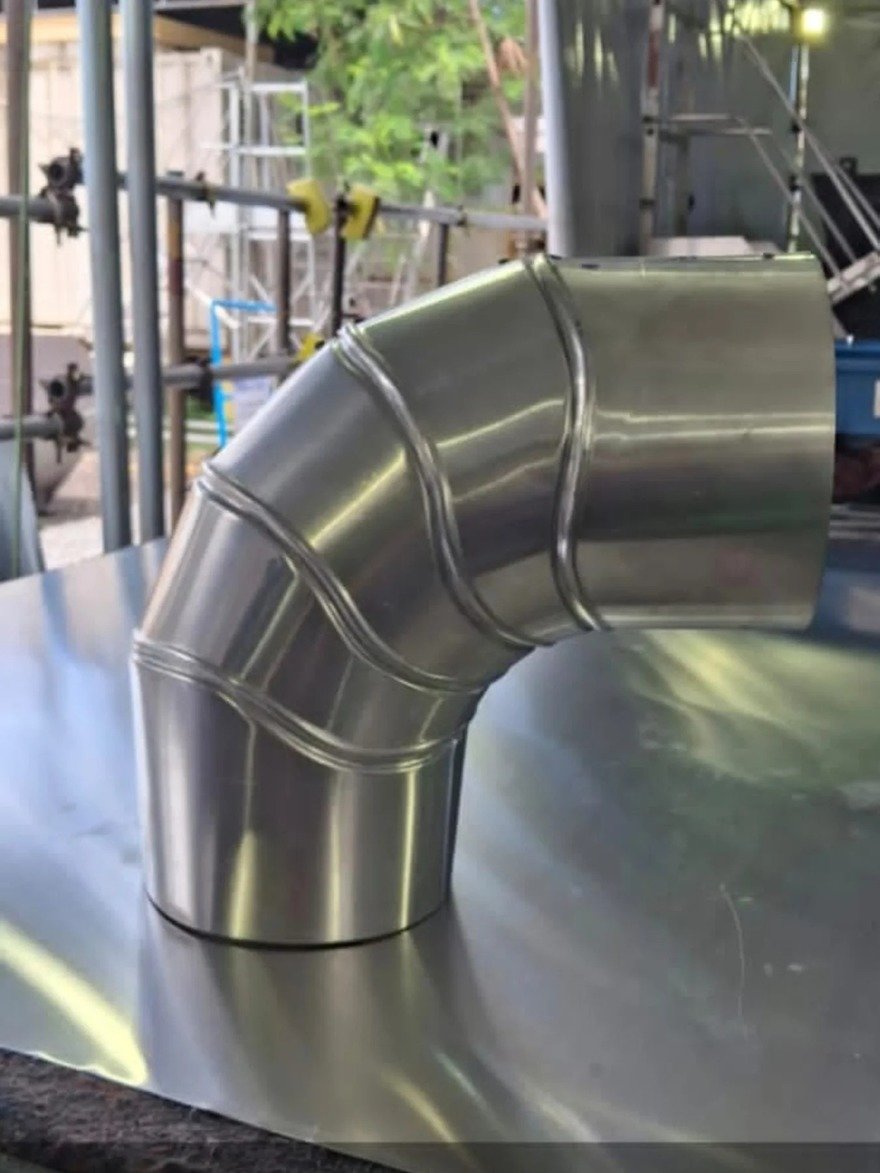
Sure, you could plot it out in CAD first. But skilled boilermakers may be confronted with problems in the field, like how to mate a cylindrical duct with a rectangular opening. They learn to plot things like this out with a compass and math.
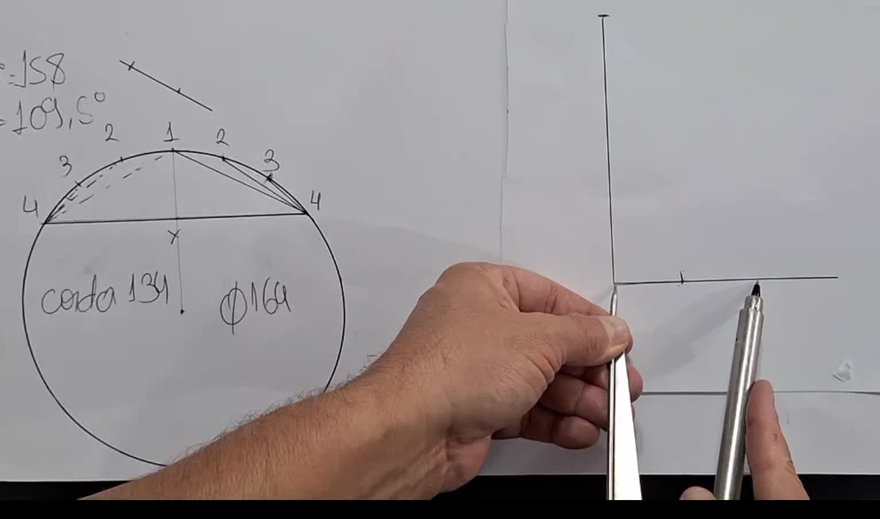
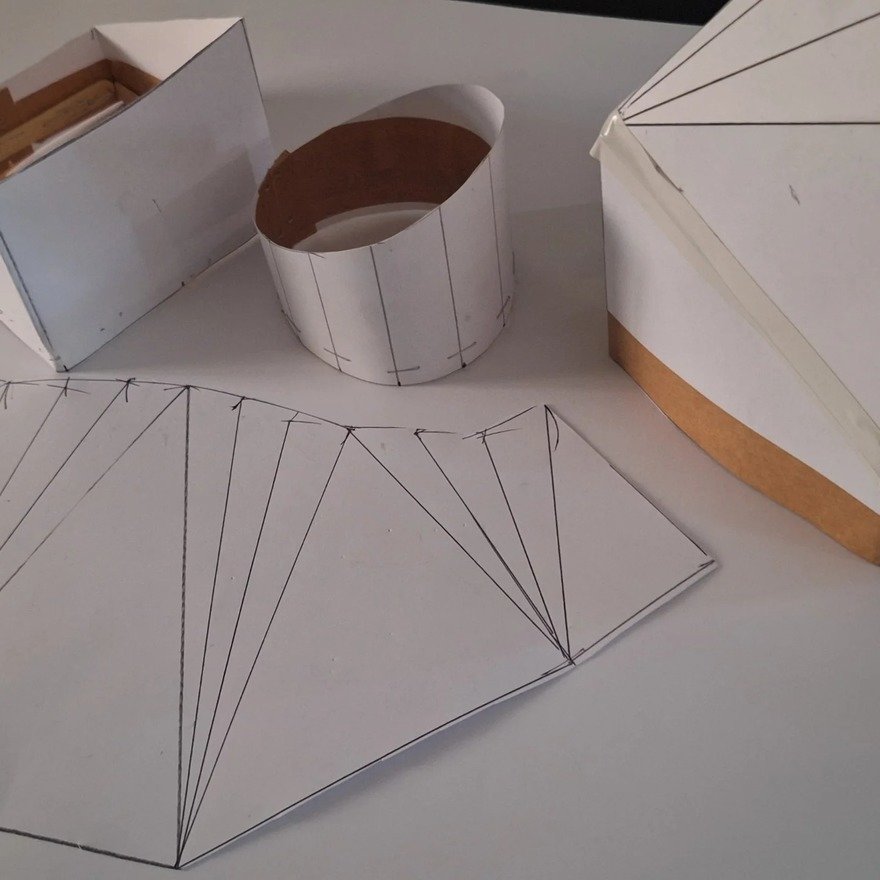
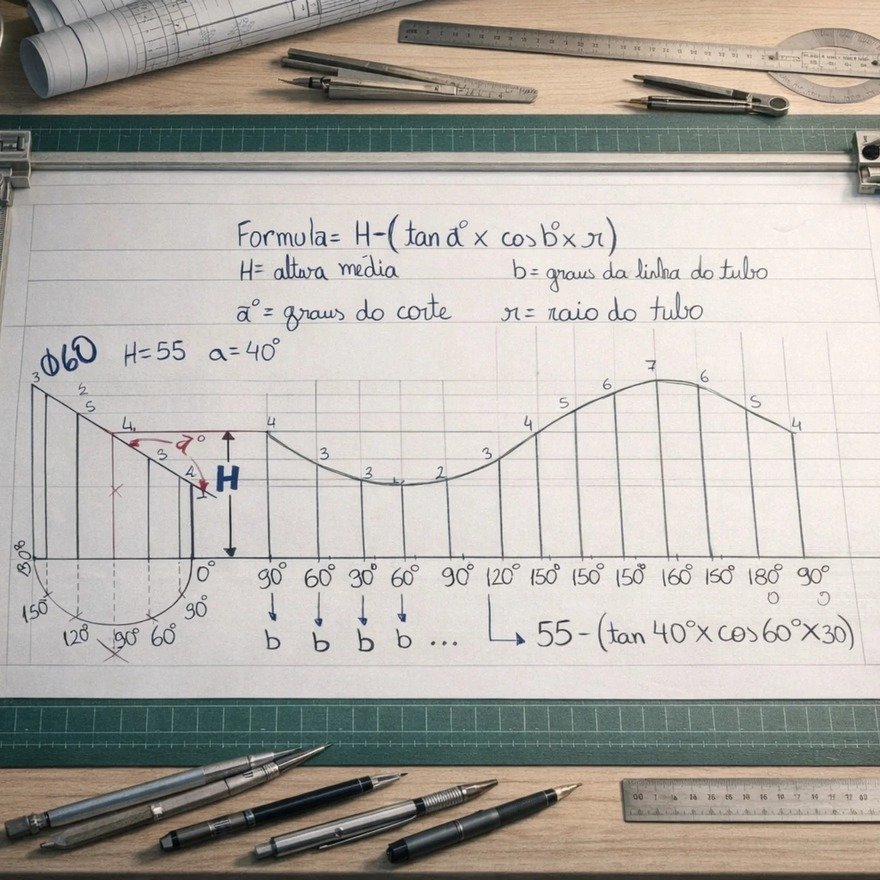
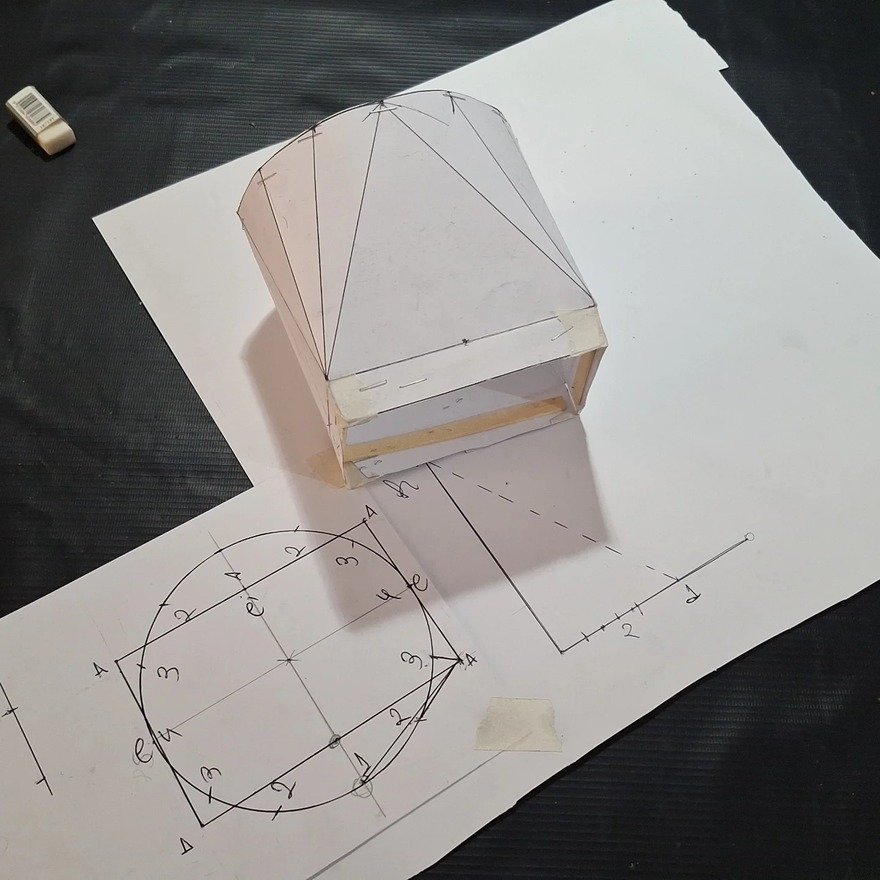
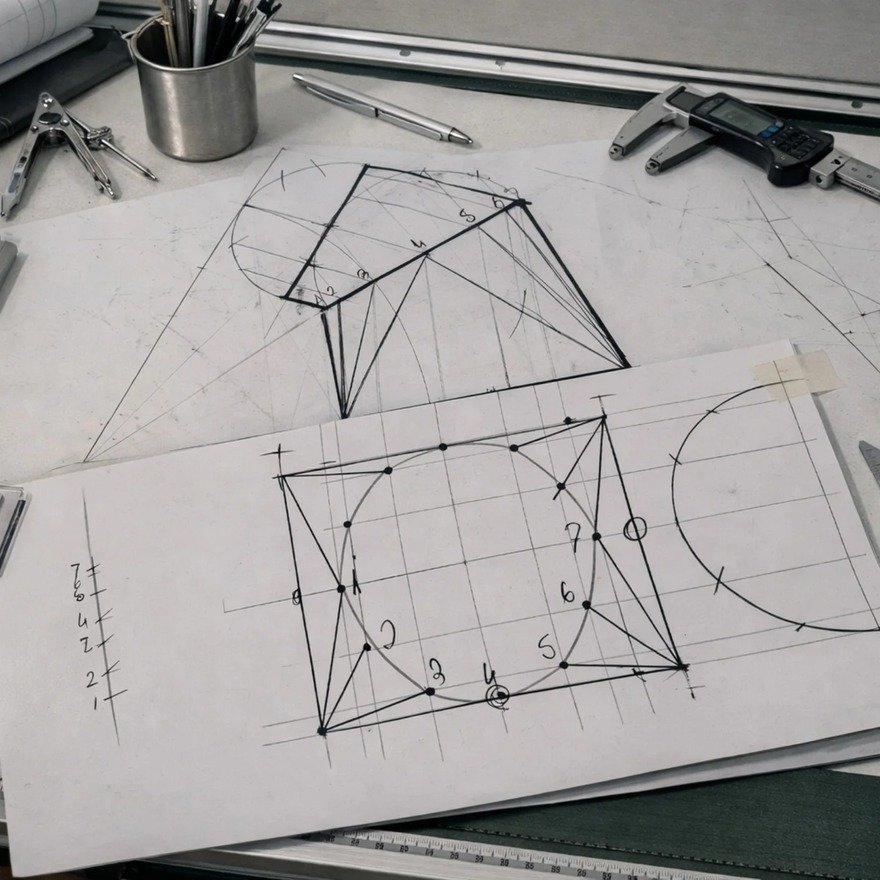
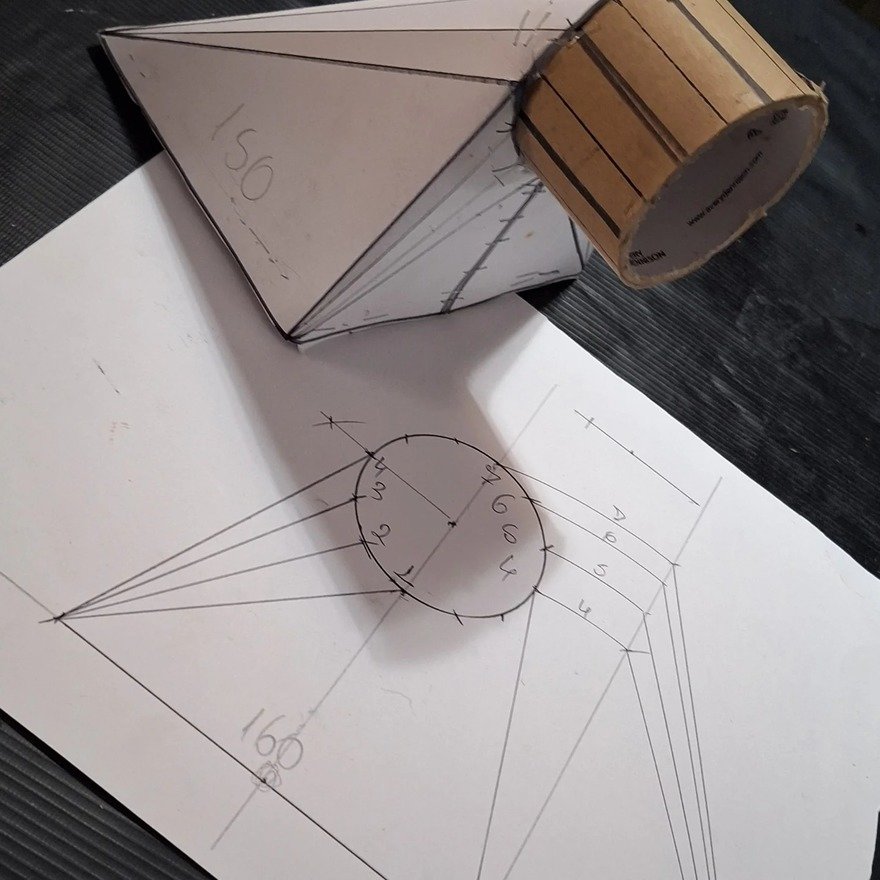
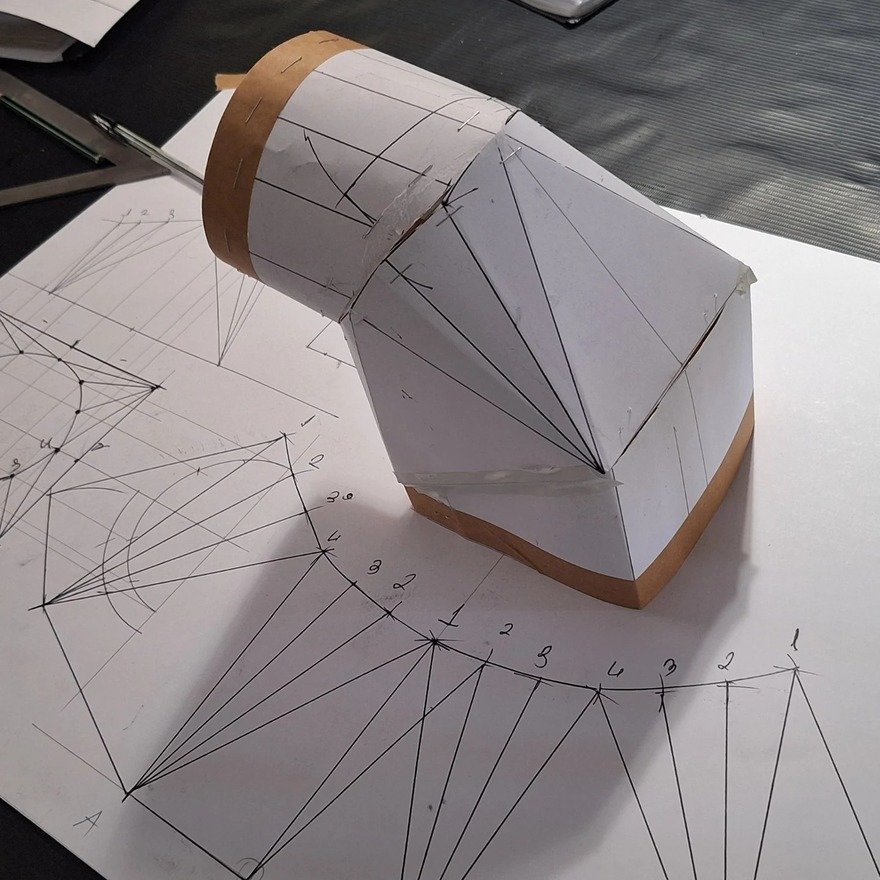
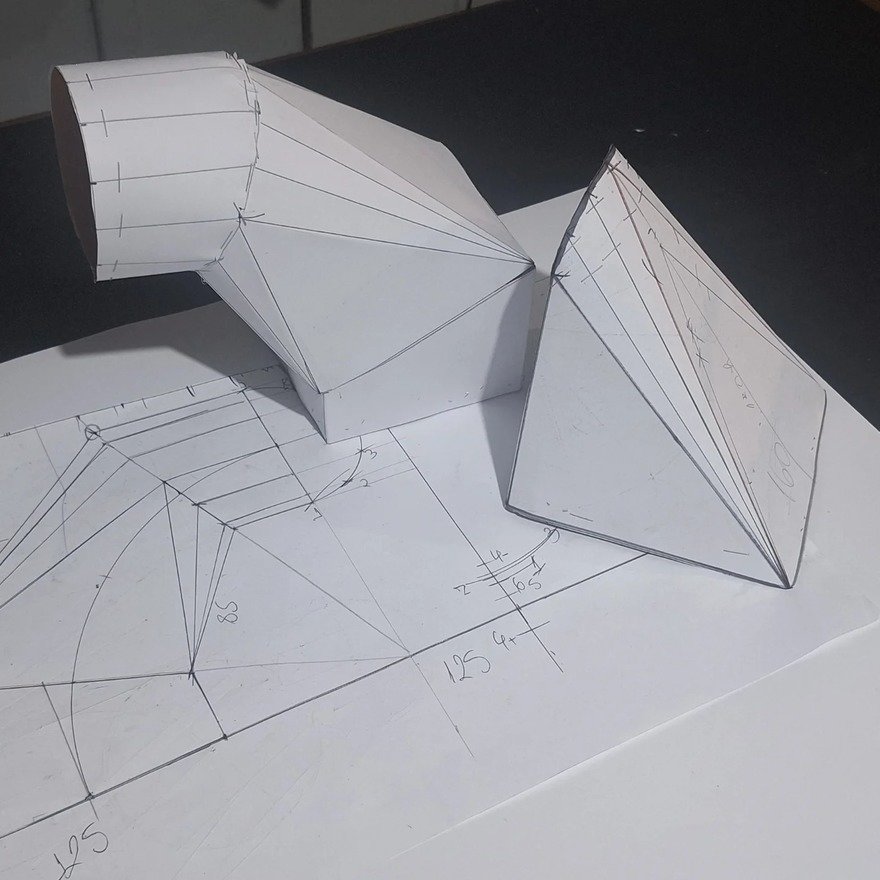
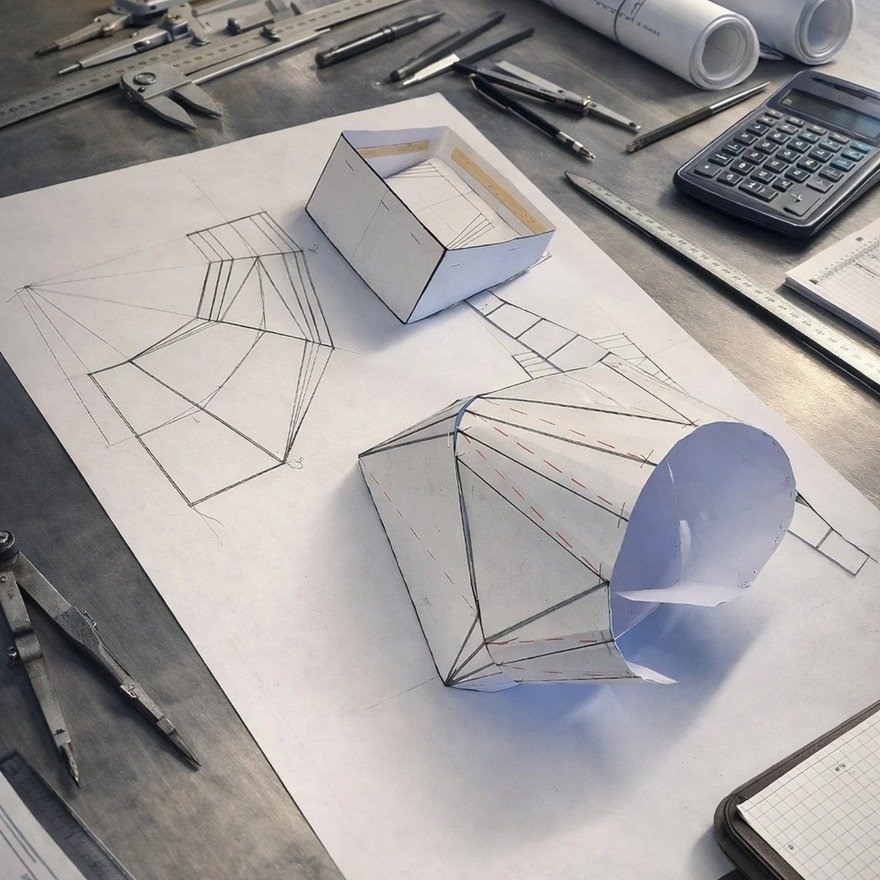
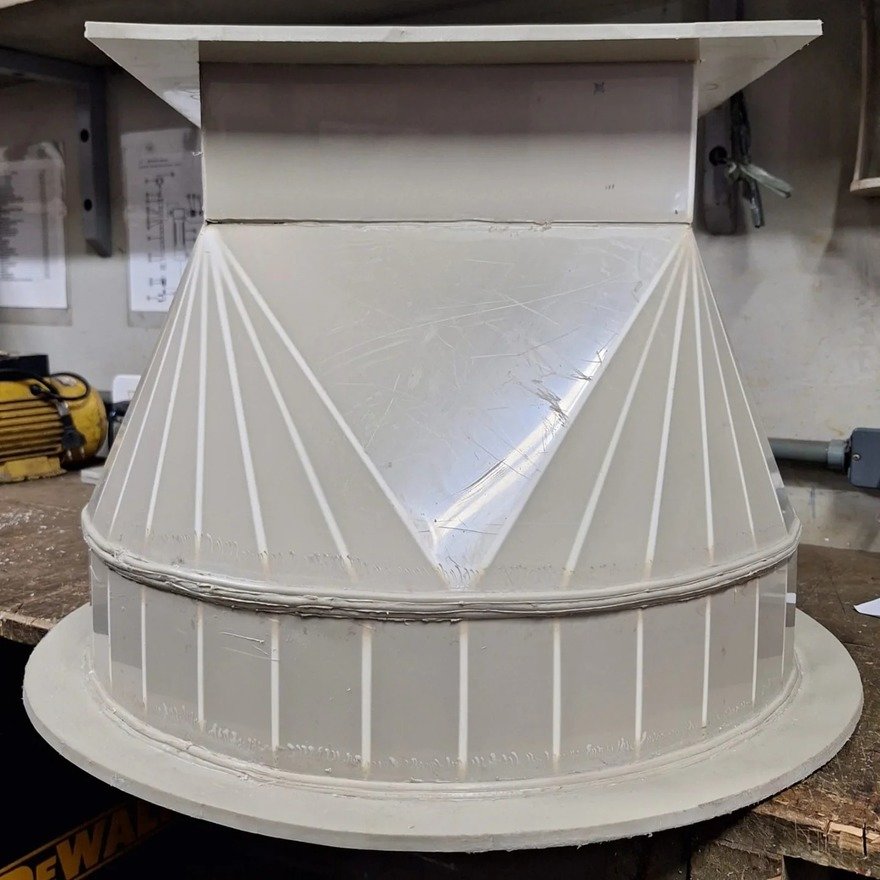
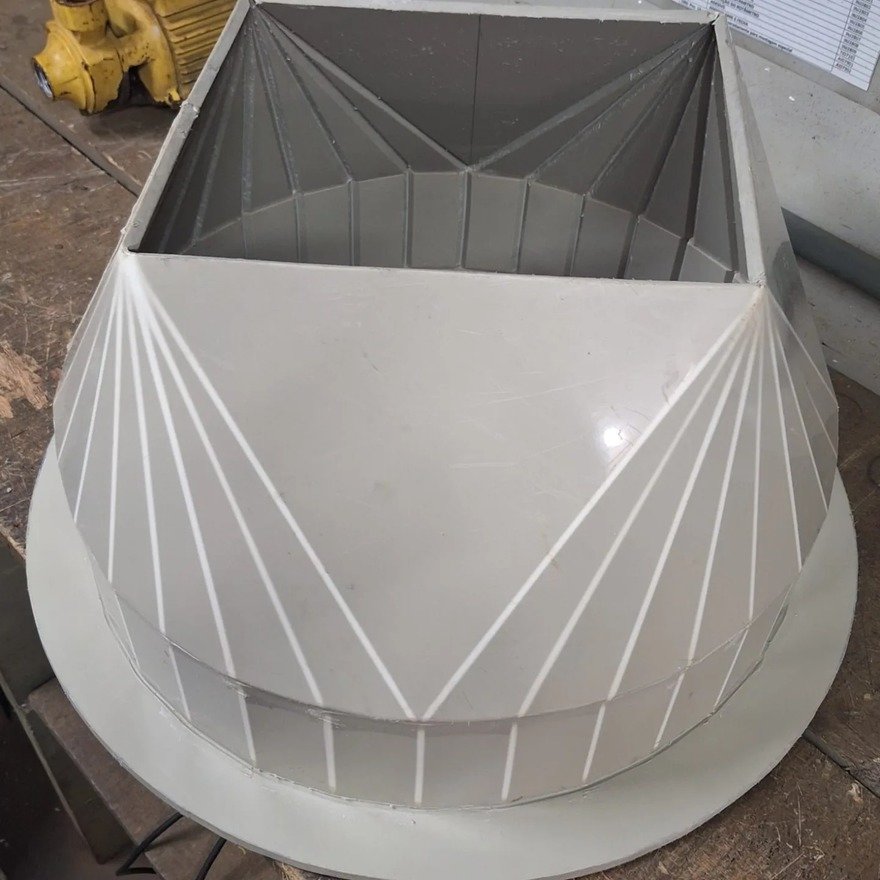
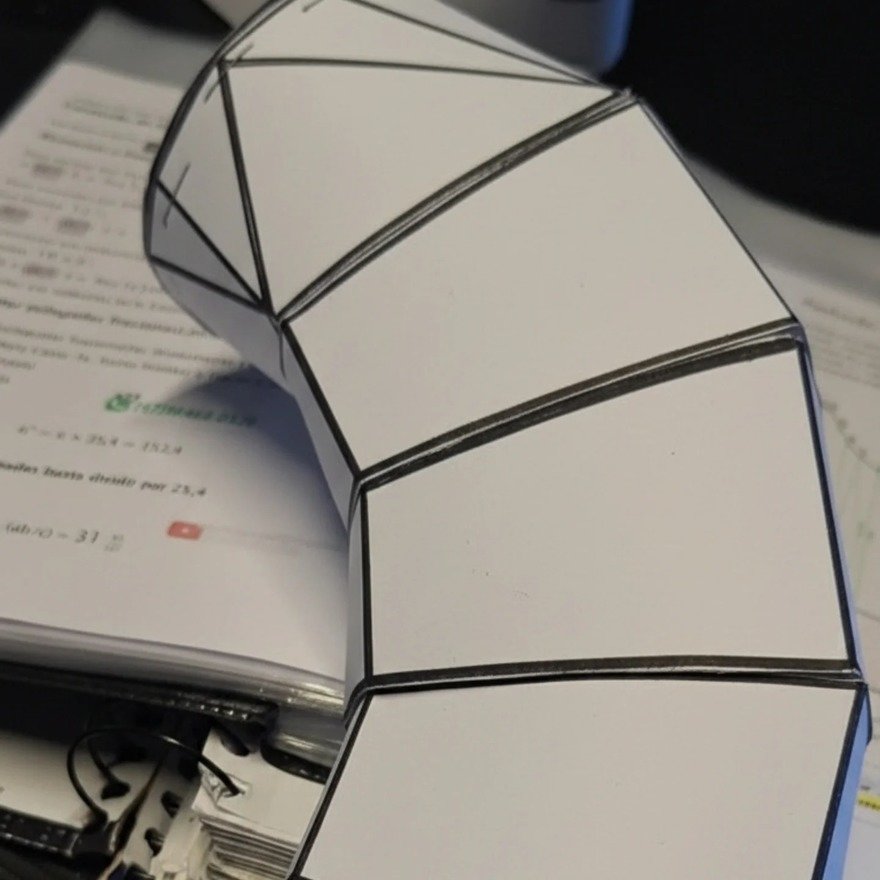
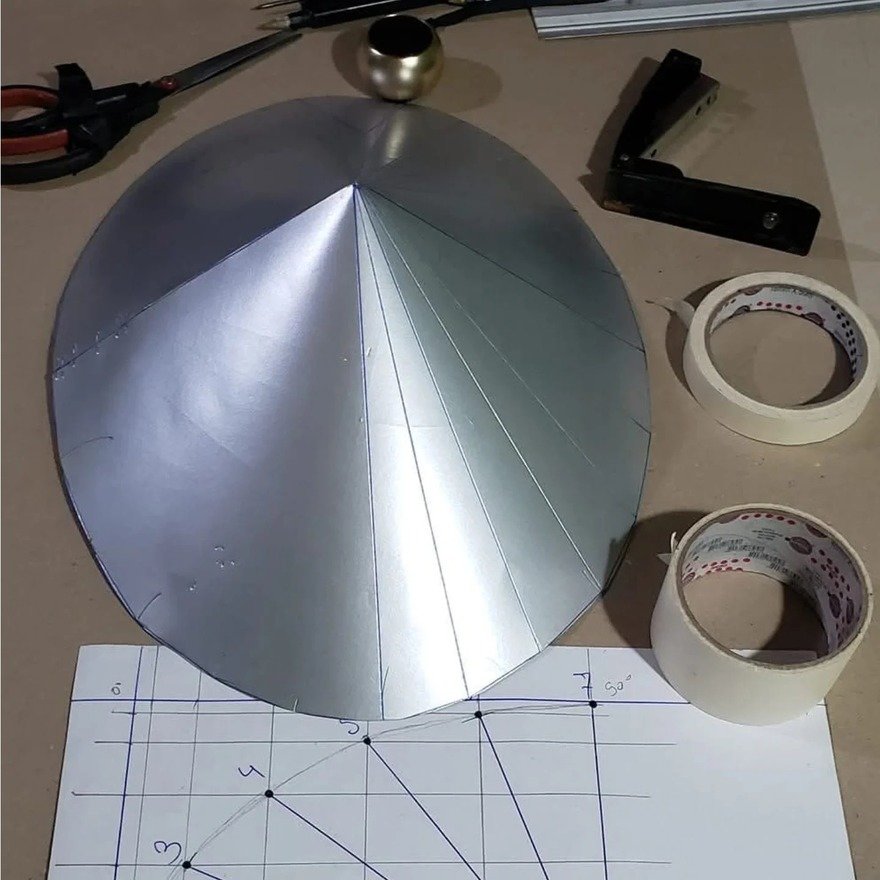
If you're curious to learn these skills, expert boilermaker Shellton San has a YouTube channel filled with tutorials. ( Though originally shot in Portugese, the videos are now available auto-dubbed in English.) ID modelmakers could learn a thing or two.
-
o3Favorite This
-
Q3Comment
Directory Company Profiles

Core77
Industrial Design
Resources
Industrial Design
Resources
-
Core77 Directory
Find the Best Industrial Design CompaniesGo -
Hatch Duo, LLC
Founded by an award-winning team with over 20 years of combined product design experience, Hatch Duo...
-
ECCO Design
ECCO Design is a full service product design and innovation firm. We are a team of designers, resear...
-
andesignlab
ANDESIGN is an industrial design consultancy based in Orange County California and Austin Texas. AN...
-
DesignStein Studios, LLC
We are a team of industrial designers focused on developing products that are intended for tooling a...
-
Bluemap Design
BlueMap design is a multi-disciplinary product development firm. Founded by Simon Yan in 2001, the f...
-
Fahrenheit Design
Fahrenheit is an award-winning product design and innovation firm based in Austin, Texas. Since 2002...
-
RMT PRODUCTS LIMITED.
RMT PRODUCTS CO. , LTD. provide on-time delivery, high-quality prototyping and manufacturing . It i...
K
{Welcome
Create a Core77 Account
Already have an account? Sign In
By creating a Core77 account you confirm that you accept the Terms of Use
K
Reset Password
Please enter your email and we will send an email to reset your password.
Comments
Fascinating! This is also an incarnation of stereotomy: the general method of modeling 3D objects from 2D geometric forms. The pictured paper flat-to-shape exercises are *extremely* similar to those which, e.g. traditional carpentry apprentices still study in France and Germany (and possibly also Japan; unsure whether they use this kind of paper form modeling). Likewise, stonemasons across the world have their own ancient traditions of stereotomy, for everything from basic arches, to fan vaults, cathedral architecture, etc.
For me, SHEET METAL PATTERN DRAFTING AND SHOP PROBLEMS ©1922,1959,1961, Daugherty and Powell. The process has been the same for a couple of centuries. I'm old - I learned this stuff in 1968. It absolutely baffles anyone who grew up with CAD.
The Geometry of Sheet Metal Work: Amazon.co.uk: Dickason, A.: 9780582009615: Books